Burnout in High-Risk Industries: Warning Signs and Operational Impact

A control room operator on day nineteen of a rotation still knows the procedure. They can recite it. What has changed is the margin around it. They check one gauge instead of three, accepts a reading that looks close enough, and stops raising the small anomalies they would have flagged in week one. Nothing has gone wrong yet. Everything that produces a serious incident is already in place.
That is burnout in a safety-critical environment. It rarely announces itself. It shows up first as a quiet narrowing of attention, judgement and voice, and it does that weeks or months before it reaches the incident log.
In short: Burnout is a chronic mismatch between demands and resources, and it degrades the human capabilities that safe operations depend on: attention, judgement, communication and the willingness to speak up. In maritime, mining and oil and gas, those capabilities are the last barrier before an event. Measuring burnout at workforce level is a leading indicator of operational risk, not a wellbeing nicety.
Why burnout is a safety issue, not just a wellbeing issue
Burnout belongs on the risk register because it changes how people perform the tasks that keep operations safe. The largest study on this question, a meta-analysis of 203 independent samples covering 186,440 workers, found that job demands such as risks, hazards and complexity drive burnout, and that burnout in turn is negatively related to working safely. Errors and adverse events follow. The mechanism is not mysterious. Depleted people have less capacity for vigilance, less tolerance for ambiguity, and less appetite for the conversation that stops a job.
Framing this as an HR concern hides it from the people best placed to act. Rosters, workload, supervision quality and recovery time are operational decisions, made by operational leaders. That is the argument behind workplace wellbeing for high-risk industries: the conditions that produce burnout and the conditions that produce incidents are largely the same conditions.
What burnout actually looks like in safety-critical environments
Burnout presents as a change in how someone works, not as a visible breakdown. The person usually stays at the job, meets the minimum, and slowly withdraws the discretionary effort that a resilient operation relies on.
The three dimensions of burnout and how they progress
The World Health Organization classifies burn-out in ICD-11 as an occupational phenomenon, code QD85, and defines it through three dimensions: energy depletion or exhaustion, increased mental distance from the job including cynicism or negativism, and reduced professional efficacy. Christina Maslach's original model describes the same three constructs, which she named emotional exhaustion, depersonalisation and reduced personal accomplishment.
A note worth keeping straight: these are dimensions, not sequential stages, and the evidence does not support a fixed three-step progression. In practice, exhaustion typically appears first and the other two dimensions follow, but the pattern varies between people and between roles.
Translated to a vessel, a mine site or a platform, the sequence usually runs like this. A watch-keeper stops recovering between watches. Then he stops caring how the handover lands. Then he stops believing his judgement matters, which is the point at which he no longer challenges a plan he privately thinks is wrong.
Behavioural warning signs that operations leaders should monitor
The observable indicators are operational, and supervisors already have access to most of them. Watch for a rise in small errors and rework, withdrawal from crew communication and handovers, procedural shortcuts in familiar tasks, slower or narrower situational awareness, a drop in near-miss and hazard reporting from a person or crew who previously reported often, and irritability that changes how a team functions.
Treat every one of these as a leading indicator of a system under strain. A crew that stops reporting has not become safer. It has stopped telling you things, which is a far worse position to be in.
How burnout interacts with fatigue in high-risk roles
Fatigue and burnout are different problems with different remedies, and conflating them wastes money. Fatigue is an acute, physiological state caused by sleep loss, circadian disruption and time on task. It responds to rest. Burnout is chronic and psychological, produced by sustained demands without adequate resources, recognition or control, and it does not resolve with a good night's sleep or a two-week leave cycle. Stress sits underneath both, as the response to pressure that becomes harmful when it is prolonged and poorly managed.
The distinction matters because the controls diverge. A fatigue problem is often solved by roster redesign, sleep environment and hours-of-service discipline. A burnout problem persists through all of that if workload, autonomy, recognition and psychological safety stay unchanged. Fatigue also behaves differently by sector, as covered in how fatigue behaves differently across high-risk environments, which is another reason a single generic fatigue policy misses burnout entirely.
Which industries and roles carry the highest burnout risk?
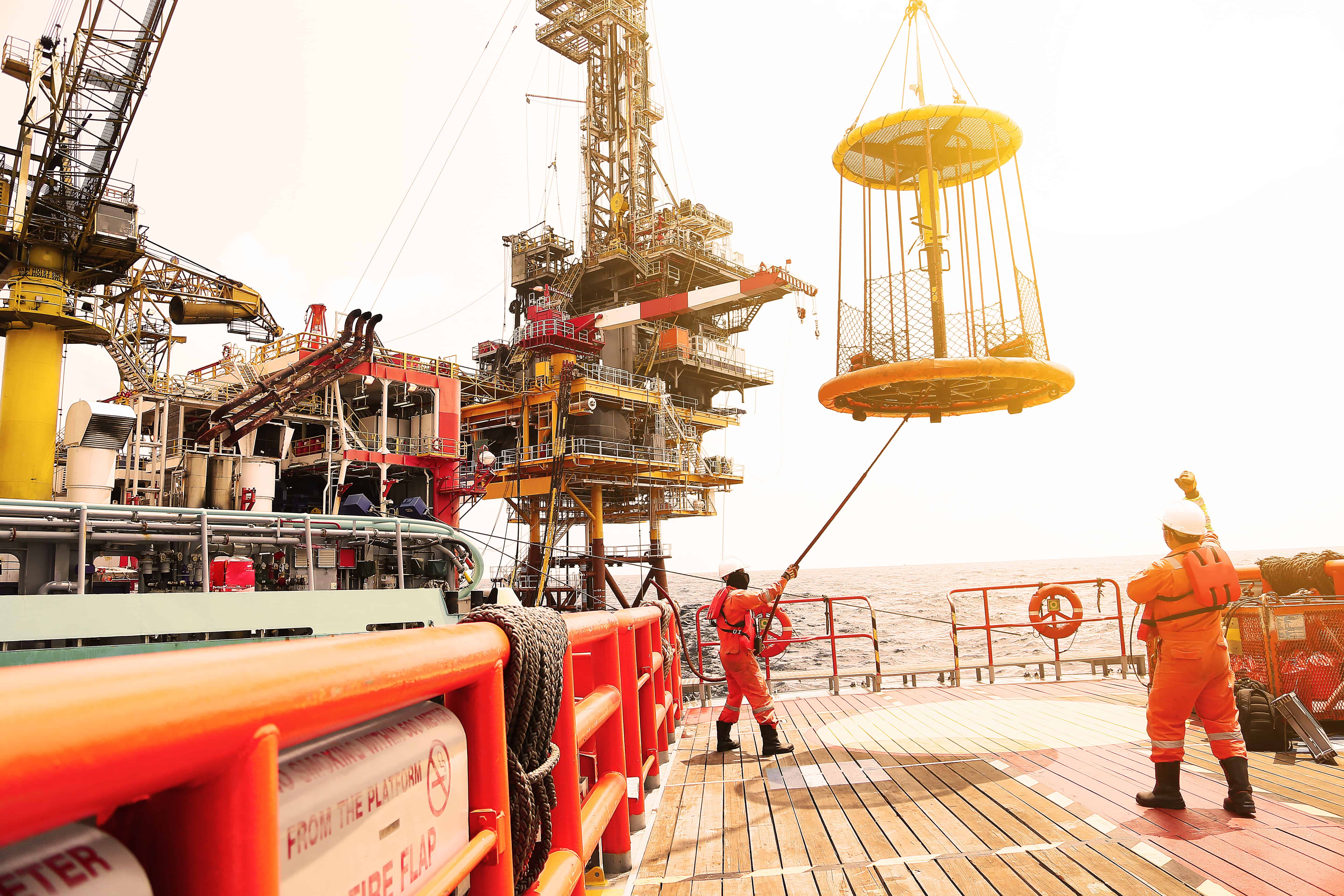
The highest risk sits where long rotations, isolation and compressed recovery combine with sustained production pressure. Maritime, remote mining and oil and gas all qualify, though each fails in its own way.
Maritime and offshore crews | FIFO and remote mining | Oil and gas under production pressure | |
|---|---|---|---|
Primary Drivers | Long contracts, isolation at sea, limited shore leave, hierarchy | Extended swings, separation from family, camp conditions, short turnarounds | Production targets, non-routine operations, 12-hour shifts, cost pressure |
Recovery Constraint | Little separation between work and living space across a whole contract | Recovery compressed into shorter off-swing periods | Recovery interrupted by call-outs, shutdowns and turnaround periods |
How it Shows Operationally | Degraded watch-keeping, weaker handovers, unreported near-misses | Decision quality falls late in rotation, quiet attrition | Shortcuts during non-routine work, weak challenge of production decisions |
Evidence Signal | Depression and anxiety linked to higher likelihood of injury and illness on board | Psychological distress and burnout measurably above matched benchmarks | Psychosocial hazards identified as contributors to human error in high-consequence events |
Offshore and maritime crews
Seafarers carry isolation, long contracts and limited recovery for months at a time. The Yale University study commissioned by the ITF Seafarers' Trust surveyed 1,572 seafarers and found 25 per cent screened positive for depression and 17 per cent for anxiety. The finding that should interest operators is the second one: the study identified a link between those conditions and a greater likelihood of injury and illness on board. Crew mental state and crew safety performance are not separate ledgers. For the operational picture, see seafarer mental health and operational risk.
FIFO and remote mining workforces
The fly-in fly-out model concentrates demand and strips out the supports that buffer most workers. Curtin University's study of more than 3,000 FIFO workers found 33 per cent experienced high or very high psychological distress compared with 17 per cent in a matched non-FIFO benchmark group, alongside higher levels of burnout. A 2023 follow-up found the distress and burnout gap persisted after controlling for demographic factors, which rules out the convenient explanation that FIFO simply attracts a different kind of person. Practical controls are set out in FIFO workforce mental health strategies.
Oil and gas workers under production pressure
Energy operations combine 12-hour shifts, rotational rosters and constant production pressure, and burnout research in the sector remains thin compared with maritime and mining. What the literature does show consistently is that psychosocial conditions, not physical hazards alone, drive mental health outcomes offshore, and that production and time pressure alongside fatigue influence accidents and mistakes. The commercial cost usually lands as turnover, deferred maintenance decisions and weak challenge during non-routine work, which is where the serious events happen. More on this in mental health crisis in oil and gas.
Why standard wellbeing programmes often miss burnout
Most wellbeing programmes fail against burnout because they ask individuals to cope better with conditions the organisation has not changed. Resilience training, mindfulness sessions and an EAP number on the noticeboard all help someone absorb pressure. None of them reduce it. Burnout is produced upstream, in workload design, roster structure, supervision quality and whether people can raise a concern without cost.
Participation rates make this worse. A programme with strong attendance and warm feedback looks successful while the drivers sit untouched, which is exactly the trap described in why good wellbeing programmes were still not working.
How to measure burnout risk before it affects performance
Measure burnout at workforce level using validated instruments and existing operational data, rather than waiting for individual cases to surface. Individual disclosure is the slowest possible detection method in industries where admitting strain still carries a cost.
A workable approach combines three streams. Validated self-report measures give a defensible read on exhaustion, disengagement and distress across teams, rotations and ranks. Structured assessment against ISO 45003:2021, the international guideline for managing psychosocial risk, shows where the organisational conditions sit. Operational data already in the business, including near-miss reporting rates, unplanned absence, rework, overtime distribution and turnover by crew, provides the corroboration. Where the three streams agree, you have a signal worth acting on. Where they disagree, you have found something interesting. This is the shift covered in what wellbeing measurement changes for operations leaders.
One honest caveat: no instrument diagnoses burnout in an individual, and none should be used to. Workforce measurement tells you where conditions are degrading, at group level and with anonymity thresholds in place. That is what a leader can act on anyway.
What organisations in high-risk industries can do right now
Addressing the six drivers of workforce wellbeing
Prevention sits upstream, in the conditions that determine whether people can sustain performance. The six drivers of workforce wellbeing are Leadership and Relationships, Work Design and Demands, Flexibility and Balance, Recognition and Growth, Purpose and Meaning, and Culture and Safety. Work Design and Demands is usually the first place burnout appears, because it holds workload, rostering and recovery. Leadership and Relationships determines whether anyone hears about it early.
Building a burnout-aware safety culture
Culture work here is narrow and practical. Supervisors need to know what the early indicators look like in their own crews and what to do about them, which means training beyond technical and physical safety. Reporting needs to cost nothing, so that a person raising strain does not risk their next rotation. Leaders need to respond to weak signals with a change in conditions rather than a referral, because a referral without a change in workload sends the same person back into the same environment.
When to bring in specialist consulting support
External support earns its place when the pattern is structural rather than local. The indicators are consistent: distress or turnover concentrated in particular crews, rotations or sites; incident analysis that keeps landing on human error without explaining the conditions; wellbeing spend with no measurable movement in operational outcomes; and a regulator, client or insurer asking for evidence of psychosocial risk management that the organisation cannot produce. Those cases need a structured diagnosis, not another initiative. See employee wellbeing consulting for high-risk industries.
Frequently asked questions
What is the difference between burnout and fatigue in a safety-critical workplace?
Fatigue is an acute physiological state driven by sleep loss, circadian disruption and time on task, and it responds to rest. Burnout is chronic, produced by sustained demands without adequate resources or control, and rest alone does not resolve it. A worker can be well rested and still burnt out, which is why hours-of-service controls do not fix the problem.
Can burnout cause workplace accidents and safety incidents?
Burnout does not cause incidents on its own, but it degrades the human capabilities that prevent them. The Nahrgang, Morgeson and Hofmann meta-analysis of 203 samples found burnout was negatively related to working safely and positively related to adverse events. The Yale seafarer study found a link between depression and anxiety and a greater likelihood of injury and illness on board.
How do you measure burnout risk across an entire workforce?
Use validated self-report instruments deployed anonymously across teams, rotations and ranks, assess organisational conditions against ISO 45003, and triangulate both against operational data you already hold. Group-level reporting with a minimum respondent threshold protects individuals while giving leaders a usable picture.
What are the early warning signs of burnout in offshore or remote workers?
Increased small errors and rework, withdrawal from handovers and crew communication, procedural shortcuts in familiar tasks, narrowed situational awareness, a drop in hazard and near-miss reporting, and irritability that changes team dynamics. A fall in reporting from a previously vocal crew is one of the strongest early signals.
Why do standard employee assistance programmes fail to address burnout in high-risk industries?
An EAP is a reactive individual service, and burnout is produced by organisational conditions. EAPs also depend on self-referral, which is uncommon in cultures where admitting strain carries career risk. They have a place in a broader system, but they cannot change workload, rosters or supervision.
How long does it take for burnout to affect operational performance?
Performance effects appear well before anyone would use the word burnout. Exhaustion and disengagement develop over months of sustained demand, and the operational consequences, including reduced reporting, shortcuts and slower decision-making, are present throughout that period rather than at the end of it.
What is the employer's legal responsibility when burnout is identified as a psychosocial risk?
Duties vary by jurisdiction, and the direction of travel is consistent. In Australia, the model WHS Regulations and the Code of Practice on managing psychosocial hazards create an explicit duty to identify and control psychosocial hazards. In the UK, the Health and Safety Executive treats work-related stress as a risk employers must assess. Across the EU, the Framework Directive obliges employers to address all occupational risks, and several member states have specific psychosocial regulations. ISO 45003 provides the internationally recognised method, though it is guidance rather than law and organisations align with it rather than certify to it.