Workplace Wellbeing for High-Risk Industries: A Systems Approach

Most HR Directors, HSE Managers, and Operations leaders in high-risk industries already know this problem. Fatigue, cognitive overload, sustained pressure, isolation. In maritime, mining, and oil and gas, these human factors consistently sit behind operational errors and incidents.
They are not personal resilience problems. They are system risks, produced by how work is designed, led, and supported over time.
Wellbeing Daily is a specialist partner for organisations in high-risk industries. Its employee wellbeing consulting work helps organisations measure and manage psychosocial risk as part of their operational systems, not as a separate HR initiative bolted on afterwards.
The problem is not the people. It is the system.
Psychosocial risks are hard to catch because they do not arrive with a timestamp. Fatigue accumulates across a shift, then across a rotation. Cognitive load builds under sustained operational pressure. Isolation deepens over weeks, particularly for workers separated from family. Sustained pressure erodes decision quality in ways that are rarely visible until something goes wrong.
By the time a risk surfaces in an incident report or a resignation, it has been present in the system for some time.
This is why psychosocial risk in high-hazard industries is a design problem. The factors that shape human performance operate at the system level: how rosters are structured, how leadership communicates under pressure, how well workers trust that their concerns will be heard, how work demands are distributed across a rotation.
ISO 45003, the international standard for psychological health and safety at work, frames psychosocial risk as part of system design. It is a core component of a functioning safety management system, not a supplement to it.
When psychosocial risk goes unmanaged, the consequences show up in measurable ways.
Unmanaged Risk | Managed Risk |
|---|---|
Errors compound across shifts and rotations | Workers are better rested and more focused |
Incident rates increase | Decision quality improves under pressure |
Turnover rises, taking operational knowledge with it | Leadership has early visibility and a clear intervention roadmap |
Regulatory exposure grows | Organisations can demonstrate active risk management |
The gap between those two columns is a design problem, not a resilience problem.

What Wellbeing Daily does
Wellbeing Daily partners with organisations where human performance impacts safety. Its workplace wellbeing services rest on three integrated pillars, each addressing a distinct layer of the challenge.
Pillar | What it Addresses |
|---|---|
Measure | Identify where the psychosocial risks are, with auditable data |
Educate | Build the knowledge and skills to manage them |
Support | Sustain capability in the day-to-day realities of remote and rotating work |
The three pillars work together. Data identifies risk. Programs build the capability to address it. Digital tools sustain the change. Each reinforces the others.
Measure
Wellbeing Daily offers three diagnostic instruments. Each answers a different question for a different audience.
The Individual Wellbeing Assessment is a confidential 15 to 20 minute self-assessment that scores each employee across seven dimensions of wellbeing. Workers receive an immediate personalised report. Anonymous aggregate results flow to an HR dashboard, giving leaders a clear view of where the workforce needs support.
The Six Drivers Organisational Diagnostic is an executive-level assessment of the conditions that produce wellbeing outcomes. Each of the Six Drivers is scored from 0 to 100, with narrative evidence and gap analysis structured for leadership and board reporting.
The Psychosocial Risk Assessment is a clause-by-clause evaluation against ISO 45003. It identifies psychosocial hazards, evaluates existing controls, and produces a risk register the board can interrogate. It is structured for audit, tender response, and regulatory reporting.
The three instruments can be used independently or layered to build a continuous, auditable picture of human risk across the organisation. The dashboards surface risk patterns and intervention points before they become incidents. That shifts the conversation from post-incident review to early risk visibility, which is what regulators increasingly expect.
Education
The BALANCED Programme is Wellbeing Daily's signature offering, available to organisations across all sectors. It covers seven pillars: Sleep, Physical, Mental, Work, Self-Care, Social, and Life Joy. An eighth module is dedicated to the habit formation that makes change sustainable. Each module builds practical capability, not just awareness. The program runs as live facilitated sessions, self-paced digital delivery, or licensed for internal facilitators.
For organisations in safety-critical industries, BALANCED modules are adapted into sector-specific programs that reflect the operational realities of each environment.
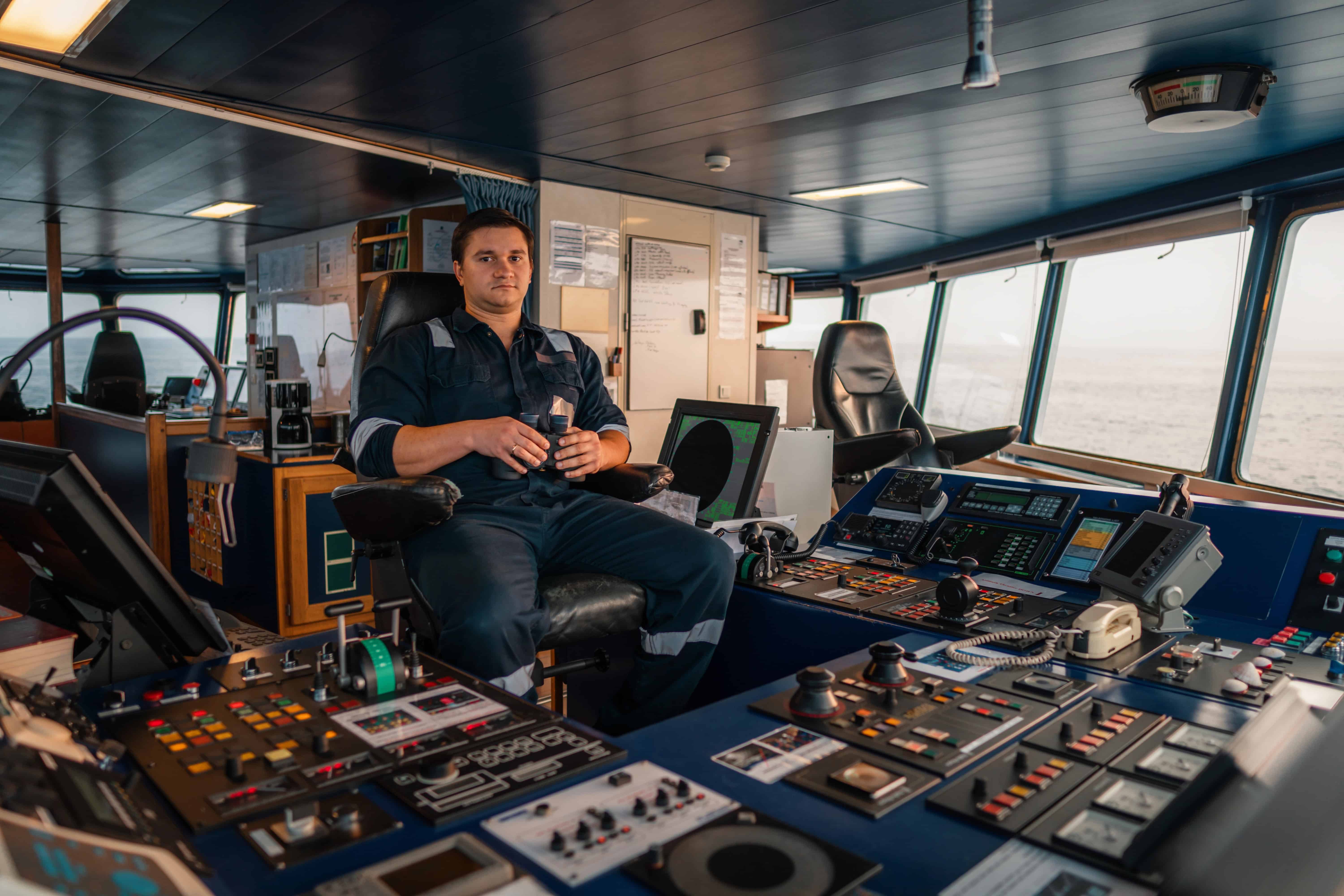
Maritime
Program | Focus |
|---|---|
Seafarer's Sleep Secrets | Sleep disruption patterns specific to watch-keeping rotations and long-haul voyages |
Calm Waters | Practical tools for managing stress in confined, high-stakes environments |
Anchor Your Mindset | Psychological stability during extended periods away from home |

Mining
Program | Focus |
|---|---|
Fatigue Management for Remote Operations | Physiological and cognitive realities of FIFO rosters and extended site stays |
Mental Resilience in Isolation | Psychological impact of sustained separation from family and community |
Stress and Performance Under Pressure | Evidence-based approaches to maintaining decision quality under operational load |
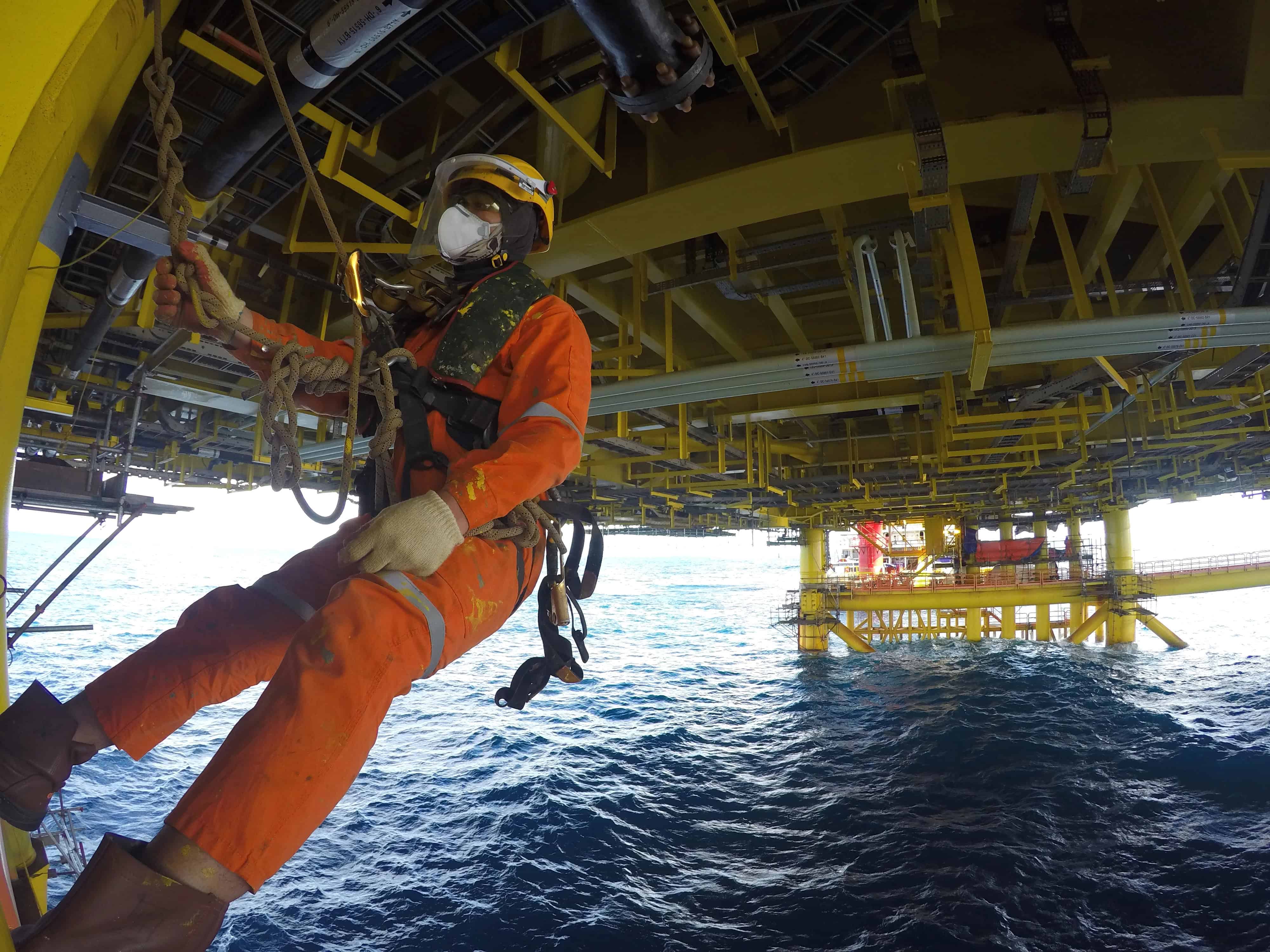
Oil & Gas
Program | Focus |
|---|---|
Sleep and Recovery for Rotating Shifts | Circadian disruption specific to offshore rotation cycles |
Mental Resilience Under Pressure | Compounding effect of sustained high-consequence work |
Performance Optimisation in Safety-Critical Roles | Connecting human factors knowledge directly to operational outcomes |
Support
Education builds knowledge. Lasting change requires ongoing support. For operational teams working remotely, at sea, or on rotating rosters, that support has to function where they are, not where a head office happens to be.
Wellbeing Daily delivers that through offline-first applications that work without connectivity on remote sites and at sea, and through continuous reinforcement of program content between sessions. The goal is habit formation embedded into daily operations, accessible on supply vessels, remote camps, and rotating offshore platforms.
Who works with Wellbeing Daily?
Wellbeing Daily works with global shipping companies, energy sector operators, mining and resources businesses, and other high-risk industries. These are organisations where the human cost of a preventable incident is understood at every level, and where the regulatory and reputational consequences of inadequate psychosocial risk management are increasingly visible.
Wellbeing Daily also works with financial services organisations, professional services firms, and corporate teams in high-demand environments. The operational context differs. The underlying system risks do not.
Across organisations, the same pattern tends to emerge: crews sleeping better, fewer errors on shift, measurable reductions in fatigue-related incidents, and leadership teams with a structured measurement roadmap rather than anecdotal concern.
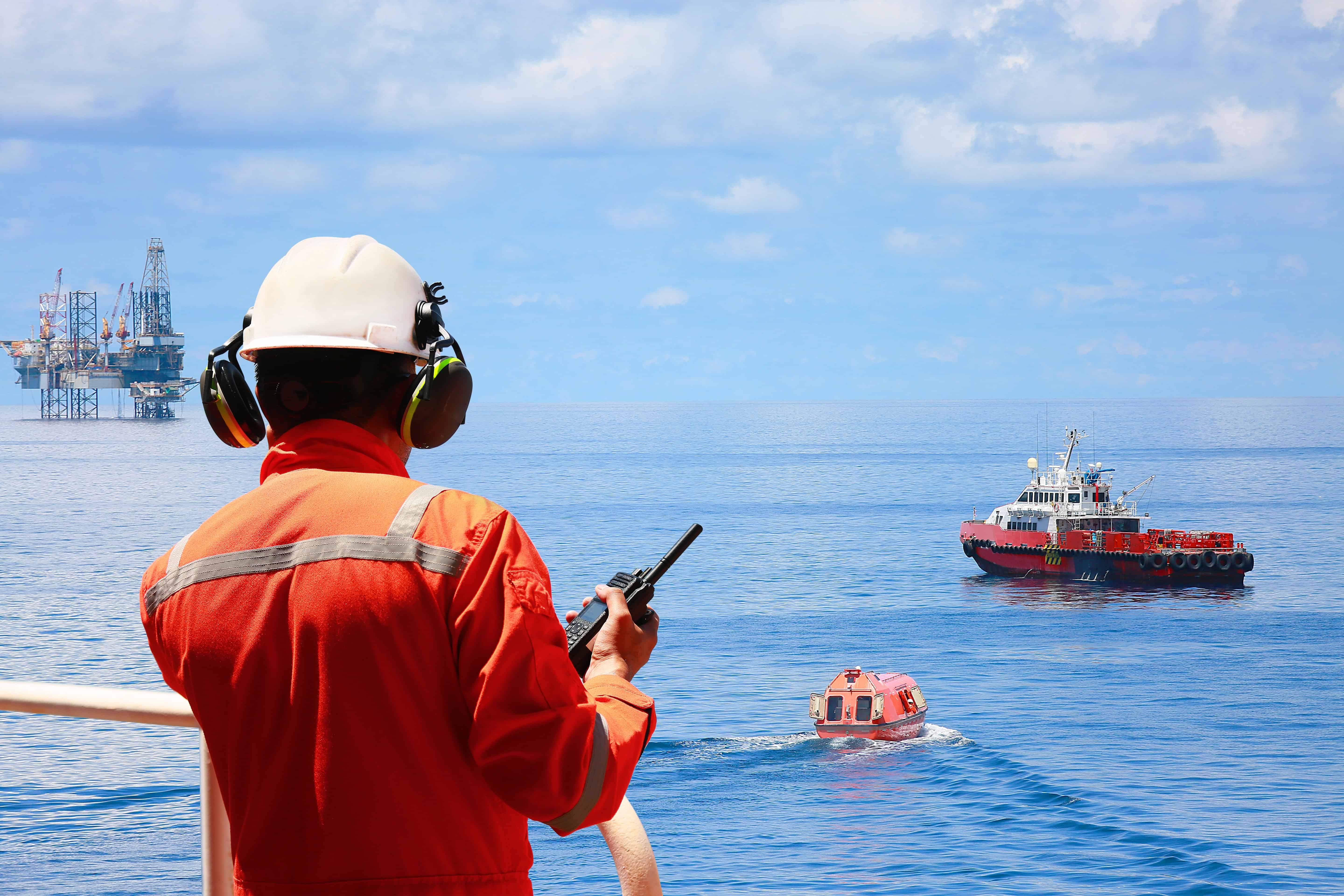
The Six Drivers: a structured starting point
The Six Drivers of workplace wellbeing are grounded in established research and refined over a decade of application in high-risk industries. They give leaders a structured, evidence-based framework for identifying where the system is working and where it is not, connecting psychosocial risk directly to operational outcomes.
Driver | What it Covers |
|---|---|
Leadership and Relationships | Improves decision quality, trust, and early risk reporting |
Work Design and Demands | Reduces fatigue risk, overload, and human error |
Flexibility and Balance | Supports alertness, recovery, and sustained performance |
Recognition and Growth | Strengthens engagement, capability, and retention |
Purpose and Meaning | Drives ownership, accountability, and effort |
Culture and Safety | Enables speaking up, learning, and incident prevention |
For most organisations, this is the first point where psychosocial risk becomes visible in a structured, measurable way. The conversation moves from instinct and incident reports to data and design.
The right starting point
Request a walkthrough of the Six Drivers organisational assessment and dashboard.
Or start with the Six Drivers Mini-Assessment to get an immediate picture of where your organisation stands.