Employee Wellbeing Consulting for High-Risk Industries: Maritime, Oil and Gas, Mining

Nearly three million workers die every year from work-related causes, according to the International Labour Organization. The number that should stop operational leaders is the split. Around 330,000 of those deaths come from accidents. The other 2.6 million come from work-related disease, with circulatory, respiratory and cancer-related conditions making up more than three quarters of the total.
Read that again in the language of an operation. The events that safety systems are built to count, the falls, the dropped loads, the equipment failures, account for roughly one in nine work-related deaths. The rest accumulate quietly, over years, in bodies worn down by how the work was designed. Shift patterns that never allowed proper recovery. Sustained pressure with no margin. Strain that no incident report ever recorded, because nothing happened on the day.
The same ILO analysis notes that Asia and the Pacific carries 63 per cent of global work-related mortality, a function of the region's workforce size and the industries concentrated in it.
This is the gap that employee wellbeing consulting in high-risk industries exists to close. Not the moment something goes wrong, but the conditions building long before it does. In an office, the cost of a depleted workforce is reduced productivity and eventual turnover. On a vessel, a rig, or a remote mine, the same depletion can end in a serious incident, or in a body that gives out a decade after the work is done. The stakes change what the consulting has to be.
Why generic wellbeing programmes fail in these environments
Walk into most organisations and the wellbeing offer looks similar. Fruit bowls. A meditation app. A resilience workshop. Yoga on the office floor. None of these are bad things. But in a high-risk operational setting they treat individual symptoms of a systemic problem, and they leave the causes untouched.
A meditation app does nothing for a crew running an eleven-week rotation two people short. A hydration reminder does not fix a roster that has quietly eroded recovery sleep across a swing. A resilience workshop asks a fatigued operator to cope better with conditions that should not exist in the first place. You cannot self-care your way out of a broken system, and in maritime, oil and gas, and mining, the system is where the risk lives.
The gap that matters here has a name in human and organisational performance: the difference between work-as-imagined and work-as-done. Leaders imagine the wellbeing programme is working because participation looks healthy. The people on the frontline are adapting, compensating, and absorbing strain that never appears on any dashboard. Until it does, as an incident, a resignation, or a quality failure. Generic wellbeing consulting works on work-as-imagined. High-risk industries need consulting that works on work-as-done.
What high-risk industries share
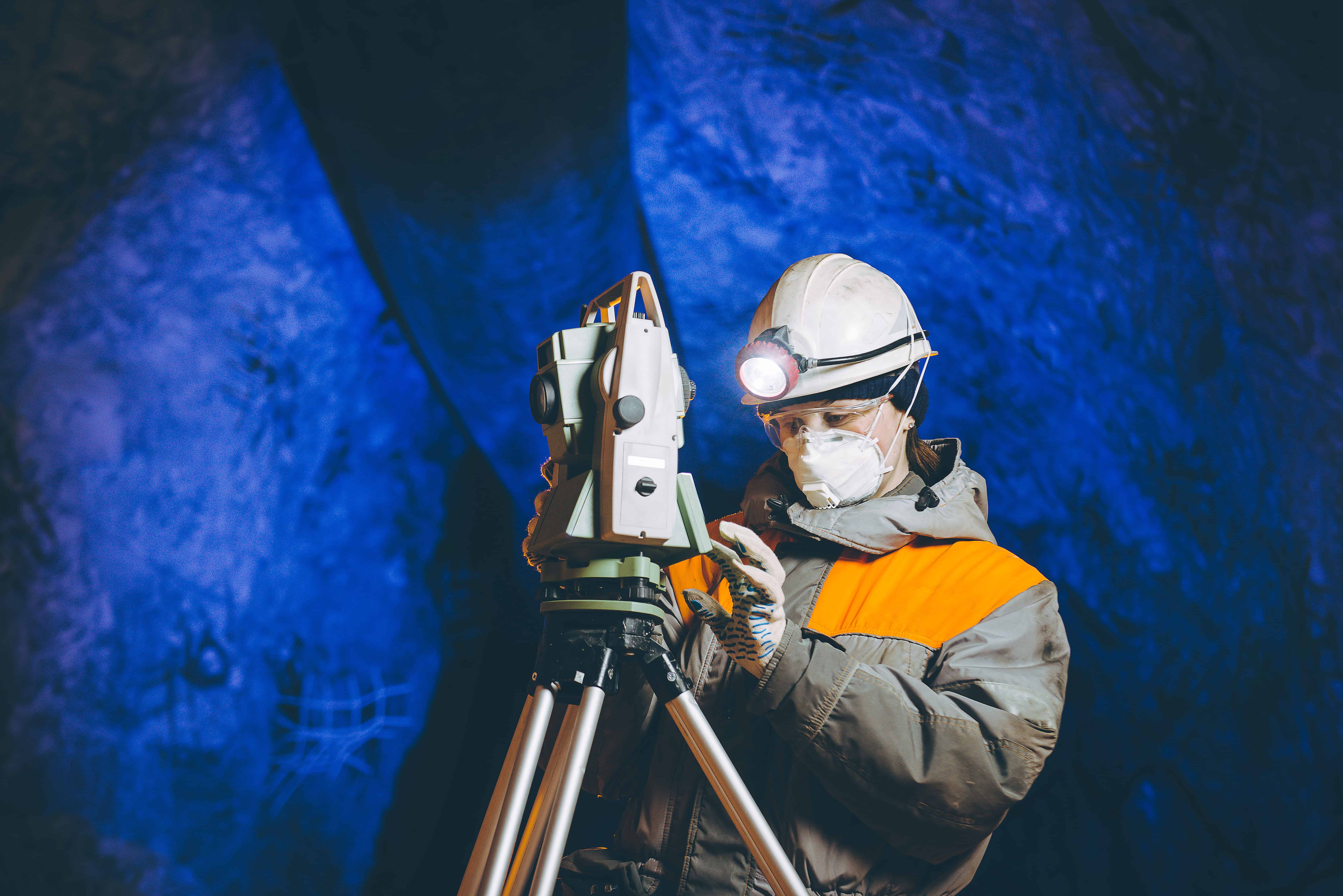
Maritime, oil and gas, and mining are different operations with a common structure of risk. The conditions that degrade human performance are not occasional disruptions in these sectors. They are built into how the work runs.
Extended rosters and rotations erode recovery. A worker on day eighteen of a twenty-one day swing is not the same operator who arrived on day one. Reaction time slows, risk perception narrows, and decisions that were sound in week one become marginal by week three. That is not weakness. It is what the work design produces.
Isolation compounds it. Offshore platforms, vessels at sea, and remote mine sites separate people from home, family, and the ordinary supports that help them recover. Night work disrupts the body clock in environments where a single degraded decision carries severe consequences. And sustained production pressure pushes crews to maintain output through disruption, often at the cost of the very margin that keeps them safe.
These are the conditions a wellbeing consultant working in high-risk industries has to understand and address. Not because they harm morale, though they do, but because they are reliable precursors to the incidents these operations are trying to prevent.
What effective consulting looks like here
Effective employee wellbeing consulting for high-risk industries starts by measuring the conditions, not surveying the mood. A survey asks people how they feel. A diagnostic measures the conditions that determine how they perform. In safety-critical work, the second is what counts.
The consulting Wellbeing Daily does is built on the Six Drivers of Workplace Wellbeing, a diagnostic that builds on the workplace wellbeing research of De Neve and Ward at the University of Oxford, adapted specifically for high-risk industries and aligned to ISO 45003, the international standard for managing psychosocial risk. It measures the system rather than the individual, and it connects every finding to the operational outcomes leaders already track. Not engagement scores. Safety metrics, quality data, retention, production efficiency.
The mechanism holds across all three sectors, and real examples make it concrete.
On an offshore rig, a new installation manager replaced a command-and-control predecessor. He ran daily safety moments where anyone could raise a concern without judgement, and he admitted his own mistakes openly. Within six months, near-miss reporting tripled. People felt safe enough to report, which is the difference between a warning system that works and one that stays silent until it is too late.
At a mining operation, introducing shift bidding, where operators could indicate roster preferences within operational constraints, reduced sick days by a third. The change was not a soft benefit. It was a measure of control over time, and control is one of the strongest predictors of how well people withstand demanding work.
In shipping, connecting crew to the logistics outcomes of their voyages, so that every safe journey was understood as keeping supply chains moving, transformed engagement without changing a single task. Same work, different meaning, and meaning is what fuels the discretionary effort that separates compliance from genuine vigilance.
None of these are wellness perks. They are changes to the conditions of the operation, and they show up in the numbers the operation already cares about.
The measurement problem that should worry leaders
Most high-risk operations measure safety with Total Recordable Incident Rate. TRIR is the metric many organisations worship, and it is close to useless as a predictor. Research covering 3.2 trillion worker hours found that recordable injuries are 96 to 98 per cent random, and that TRIR shows no correlation with fatality rates. You can hold the best TRIR in your industry and still be heading for a catastrophe.
The reason is simple. TRIR tells you where you have been, not where you are going. It counts yesterday's failures and predicts nothing about tomorrow's. The conditions that produce the next serious incident, the fatigue building across a lengthened roster, the crew running short-handed, the concern nobody feels safe to raise, are invisible to it.
This is what wellbeing data, measured properly, adds. It sits alongside safety and production data as a leading indicator, showing where the system is under strain before the strain becomes an event. That is the shift from wellbeing as decoration to wellbeing as operational intelligence, and in high-risk industries it is the difference that matters most.
The regulatory direction
The case for this work is no longer only operational. ISO 45003 now sets out how organisations should identify and manage psychosocial risk, and it is increasingly the standard against which serious operators are judged. In Singapore, the Workplace Fairness Act 2025 goes further in its own way, making mental health conditions a protected characteristic with legal force behind them.
The two do different jobs. ISO 45003 is the framework that identifies and addresses harmful conditions before they become a crisis. The Workplace Fairness Act is part of the legal consequence when they are left unaddressed. One is governance, one is liability. Operators who treat both as compliance checkboxes will tick the boxes and stay exposed. Those who treat them as a signal to build proper infrastructure will be the ones ready for where the regulation is heading.
The bottom line
Employee wellbeing consulting for maritime, oil and gas, and mining is not the office wellbeing model with a hi-vis vest painted on. It is the work of finding and fixing the conditions, rosters, workload, leadership, isolation, fatigue, that quietly produce risk in operations where the cost of a degraded decision is severe.
Done that way, it stops being a programme that sits in a corner of HR and becomes intelligence that informs rostering, workload planning, and leadership development. The conditions that produce incidents, and the conditions that wear people down over a career, can be seen while there is still time to change them.
If you want to know where your operation's psychosocial risk actually sits, you can benchmark against the Six Drivers using our self-assessment, or get in touch to discuss a psychosocial risk assessment aligned to ISO 45003. Our industry pages for maritime, mining, and oil and gas set out how this applies in each.

Frequently asked questions
Most work-related deaths are not accidents. Why does that matter?
The International Labour Organization estimates nearly three million work-related deaths a year, of which around 330,000 are accidents and 2.6 million are work-related diseases, led by circulatory, respiratory and cancer-related conditions. Safety systems are built to count the accidents, which are roughly one in nine of the total. The rest accumulate through how work is designed over years, which is precisely what psychosocial risk management addresses and traditional safety metrics miss.
Why do generic wellbeing programmes fail in high-risk industries?
Because they treat individual symptoms rather than the conditions producing risk. A meditation app or resilience workshop asks a fatigued worker to cope better with a roster, workload, or isolation problem that the app cannot touch. In maritime, oil and gas, and mining, the risk lives in how work is designed and staffed, so consulting has to change those conditions, not help people endure them.
What makes wellbeing consulting different for maritime, oil and gas, and mining?
These sectors share a structure of risk that offices do not: extended rotations that erode recovery, isolation from home and support, night work, and sustained production pressure. The conditions that degrade decision-making are structural, and the cost of a degraded decision can be a serious safety incident. Consulting here has to understand rotational and remote operations, not general office wellbeing.
How is wellbeing measured in high-risk industries?
Through a diagnostic of the conditions that determine performance, not a survey of how people feel. Wellbeing Daily uses the Six Drivers of Workplace Wellbeing, adapted for high-risk industries and aligned to ISO 45003, with every finding connected to operational metrics like incident rates, near-miss reporting, retention, and production efficiency.
Isn't TRIR enough to measure safety?
No. Research across 3.2 trillion worker hours found recordable injuries to be 96 to 98 per cent random, with TRIR showing no correlation with fatality rates. TRIR tells you where you have been, not where you are going. Wellbeing data measured as a leading indicator shows where the system is under strain before it produces an incident.
What standards and regulations apply?
ISO 45003 is the international standard for managing psychosocial risk and provides the framework for identifying and controlling harmful conditions. In Singapore, the Workplace Fairness Act 2025 makes mental health conditions a protected characteristic with legal force. ISO 45003 is the governance framework; the Act is part of the liability that follows when conditions go unmanaged.