Mining Workforce Wellbeing: Managing Psychosocial Risk in High-Risk Resources Operations

The rotation ends and the worker flies home. Two days later, sleep is still broken, mood is flat, and family conversations feel like they are happening through glass. By the time it starts to feel normal again, the next swing is a week away. This is the psychosocial reality of mining work, and it is largely invisible in the systems most operators use to manage safety.
Mining is a sector that takes physical safety seriously. The work has earned that. What it has been slower to take seriously is the psychological side of the same equation: the conditions of work, the structure of rosters, the behaviour of frontline supervisors, and the cultural norms that determine whether a worker raises a concern or stays quiet. That has now started to change. In July 2025, the International Council on Mining and Metals (ICMM) published its Tools for Psychological Health and Safety, aligned with ISO 45003, giving the sector its first peak-body framework for psychosocial risk management. The Western Australian Government's Mental Awareness, Respect and Safety (MARS) Program has been building sector-specific evidence since 2021. And Australian model WHS regulations on psychosocial hazards are now in force across most jurisdictions.
This article looks at where the psychosocial risk in mining actually lives, what the current evidence says, and what a workforce wellbeing approach designed for mining operations involves.
A Note on Language: Wellness or Wellbeing
The terms are not interchangeable. Most mining employee wellness programmes ask the worker to cope with the conditions of mining work: their sleep, their hydration, their resilience, their mindset. A workforce wellbeing strategy works at the system level, addressing the roster patterns, leadership behaviours, work design choices, and environmental conditions that either support or deplete the workforce's capacity to perform safely.
Wellness places responsibility for harm on the individual. Wellbeing places it on the system. In an industry where most psychosocial risk is structural, the second frame is the only one that produces meaningful change.
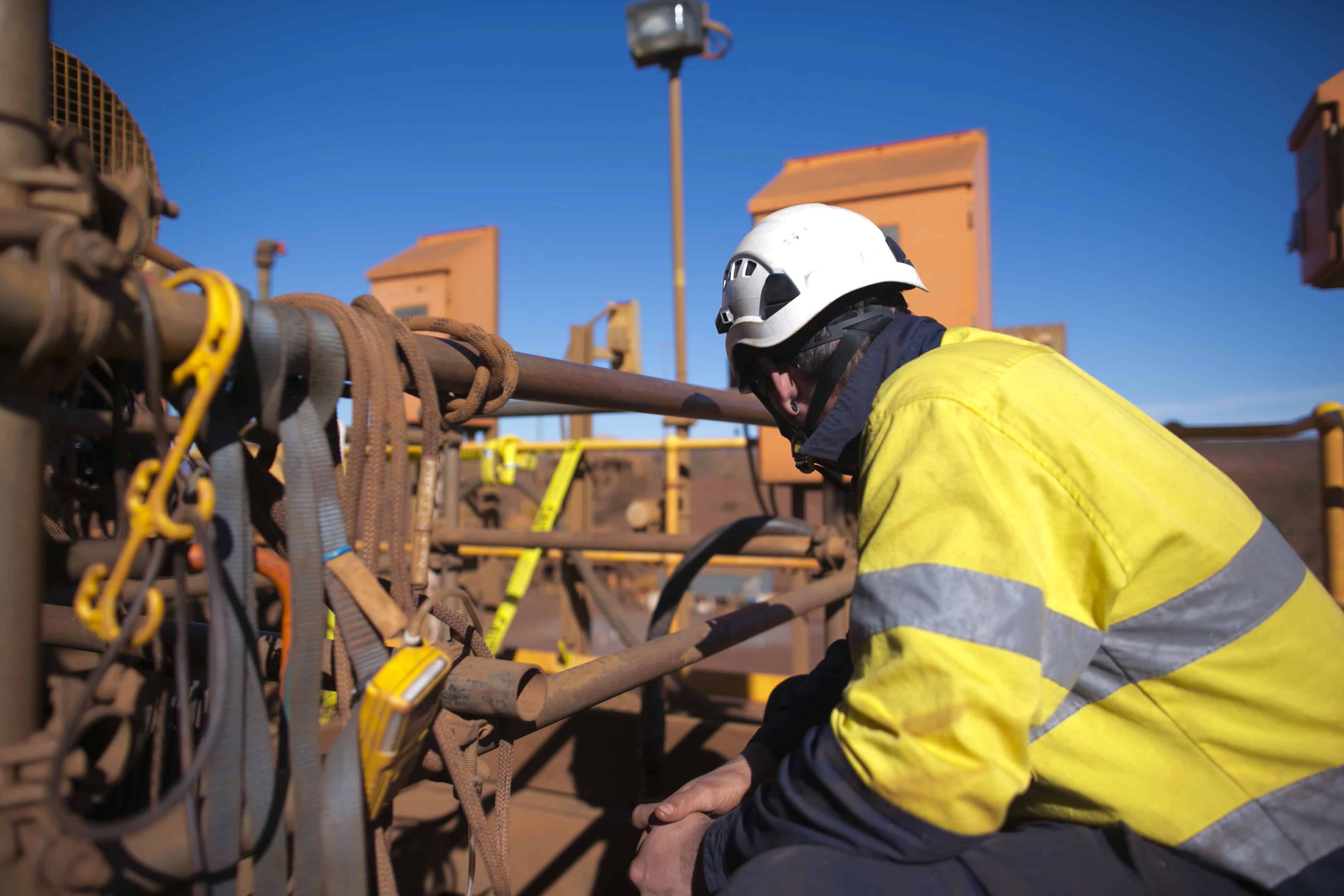
Why Mining Workforce Wellbeing Sits in the Operational Risk Register
The mining workforce across the Asia-Pacific is shaped by three structural conditions that do not exist in most other industries. Each one creates predictable psychosocial hazards that ISO 45003:2021 and the ICMM tools explicitly recognise.
Geographic remoteness. Most large-scale mining operations are located far from population centres. The result is fly-in fly-out and drive-in drive-out workforces, often housed in camps with limited privacy, limited social options, and limited access to family and community.
Shift structures designed for 24-hour operations. Mining runs around the clock. Twelve-hour rotating shifts are standard. Sleep disruption is structural, not incidental.
Hierarchical operational culture with high consequences for visible weakness. Mining has a deep tradition of operational discipline and physical toughness. That culture protects against many forms of harm, but it also discourages workers from raising mental health concerns until they reach crisis point.
These conditions are not edge cases. They are the operating model. A workforce wellbeing strategy that does not address them at source is treating symptoms.
The Psychosocial Hazards Specific to Mining
The cross-sector hazards, fatigue, isolation, sustained pressure, show up in mining in particular shapes worth naming.
Cumulative fatigue across long swings
Rotation patterns vary across the sector: one week on and one week off (1:1), two weeks on and one off (2:1), two weeks on and two off (2:2), and longer cycles at more remote sites. Whichever pattern applies, sleep debt compounds across the swing. Reaction time, situational awareness, and risk judgement degrade measurably across the roster, with impairment most pronounced in the back half of longer rotations. Hours-of-service compliance is not the same as fatigue management, which is why the WA Government is currently redeveloping its code of practice on working hours to explicitly cover work-related fatigue.
Underground work has its own profile
Confined spaces, limited natural light, time pressure on production targets, and exposure to dust, noise, and heat compound on the psychological side as well as the physical. Underground workers consistently report higher rates of sleep disruption and lower rates of recovery than surface colleagues.
Heavy mobile equipment and operational monotony
Haul truck and dozer operators spend hours in repetitive, low-stimulation work where vigilance is critical but engagement is structurally low. Operator fatigue is one of the largest single contributors to mobile equipment incidents in the sector.
Camp life is its own psychosocial environment
Small rooms, shared facilities, limited privacy, restricted alcohol, no partner or family, and the social dynamics of living and working with the same people for weeks at a time. Camp design and camp culture have moved from being logistics decisions to being psychosocial controls, which is why the WA Government has directed development of a new code of practice specifically covering the design and management of accommodation facilities in the mining sector.
Workplace harassment and cultural failures
The 2022 Western Australian parliamentary Enough Is Enough report documented widespread sexual harassment in the WA mining industry and a culture where reporting carried significant personal risk. The Mental Awareness, Respect and Safety (MARS) Landmark Study, led by Professor Sharon Parker at Curtin University's Centre for Transformative Work Design and surveying 2,550 WA mining workers, has since found that while reports of unwanted sexual attention and coercion are decreasing, gendered condescension and offensive sexist remarks remain common. Harassment is a recognised psychosocial hazard under ISO 45003 and a measurable contributor to mental health decline, attrition, and operational risk.
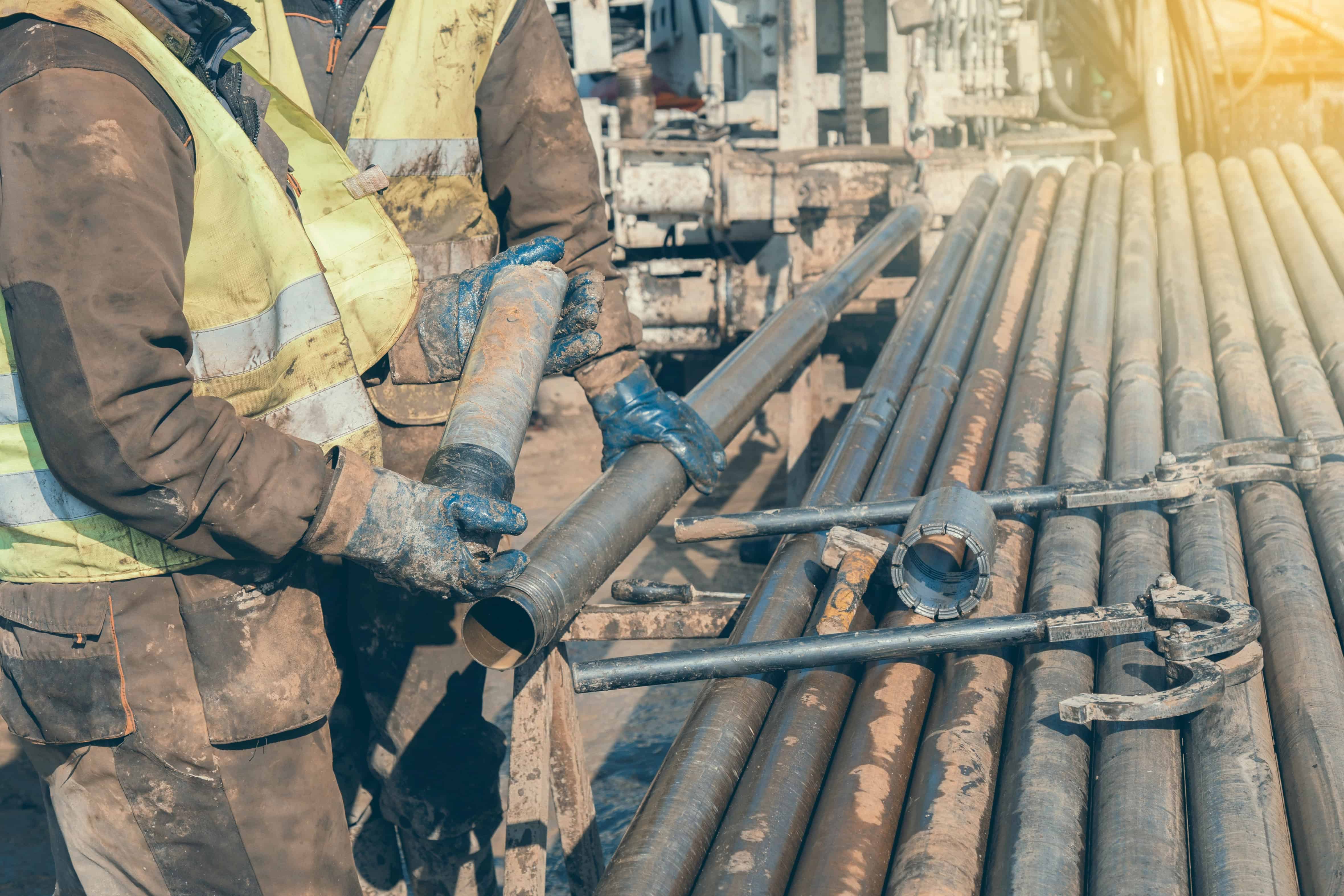
What the Data Says
The evidence linking psychosocial conditions to incident rates, mental health outcomes, and workforce stability in mining is now substantial and mining-specific, rather than borrowed from adjacent sectors.
The MARS Landmark Study, based on 2,550 WA mining worker responses, found that only four in ten workers reported feeling satisfied with their job, and nearly one in three said they were likely to try to find a new job with another employer within the next twelve months. Approximately one in three reported regular emotional exhaustion, a marker of chronic burnout. These are not fringe findings. They describe the middle of the workforce.
FIFO workers specifically continue to report substantially higher rates of psychological distress than non-FIFO comparison groups. Research from the Sustainable Minerals Institute at the University of Queensland has consistently identified roster pattern, supervisor relationship, and camp conditions as primary protective or harmful factors.
Safe Work Australia identifies fatigue as a contributing factor in serious incidents across the resources sector and reports that 9% of all serious workers compensation claims are for work-related mental health conditions, a figure that has been trending upward.
Lloyd's Register Foundation's global workplace safety research found that nearly half (49%) of workplace harm incidents go unreported, which is the practical reason why mining incident data understates the actual psychosocial picture across the sector.
None of these are soft metrics. Each one has a direct line to attrition, recordable incidents, regulatory exposure, and the cost of replacement labour in roles where experienced operators are not quickly replaced.
Where Effective Mining Wellbeing Programmes Actually Work
A well-designed mining workforce wellbeing programme operates at the system level, not the individual level. Five interventions consistently produce measurable shift across the operations we work with, and each maps directly to the prevention and early intervention pillars in the ICMM Tools for Psychological Health and Safety.
Roster design
Shorter swings with proportionally longer recovery outperform longer swings with short turnarounds. Roster design is the single largest lever in the system, and it sits with operations leadership, not HR.Supervisor capability at the frontline
The strongest predictor of psychological safety on a mine site is the behaviour of the immediate supervisor. Supervisors who can identify early warning signs, hold meaningful conversations about mental health, and refer without stigma materially reduce escalation. Training that equips them to do this is one of the highest-return investments available. The ICMM tools name leadership capability as a core early-intervention control.Continuous, role-appropriate assessment
Annual engagement surveys are too slow to be useful in a mining context. By the time results are processed, the roster has cycled twice. Short, validated psychosocial assessments completed at the start of each swing, ten to fifteen minutes, offline-capable, give site managers a real-time view of where their workforce is actually sitting. Wellbeing Daily's Six Drivers framework operationalises ISO 45003's hazard categories into a measurable diagnostic, with site-level and crew-level aggregation.Camp and accommodation design
Privacy, recreation, food quality, alcohol policy, family contact infrastructure, and gym access are all psychosocial controls. Treating camp design as a wellbeing variable rather than a logistics decision is one of the cheaper and faster improvements available, and it is now heading directly into the WA regulatory framework.Fatigue risk management built around cognitive performance
A fatigue risk management system that monitors only hours-of-service has no view of the actual cognitive state of the workforce. Effective systems combine biomathematical modelling, sleep quality data, and supervisor observation against measurable indicators of cognitive degradation. This matters most for haul truck operators, drill and blast crews, and any role where impaired performance carries serious consequences.
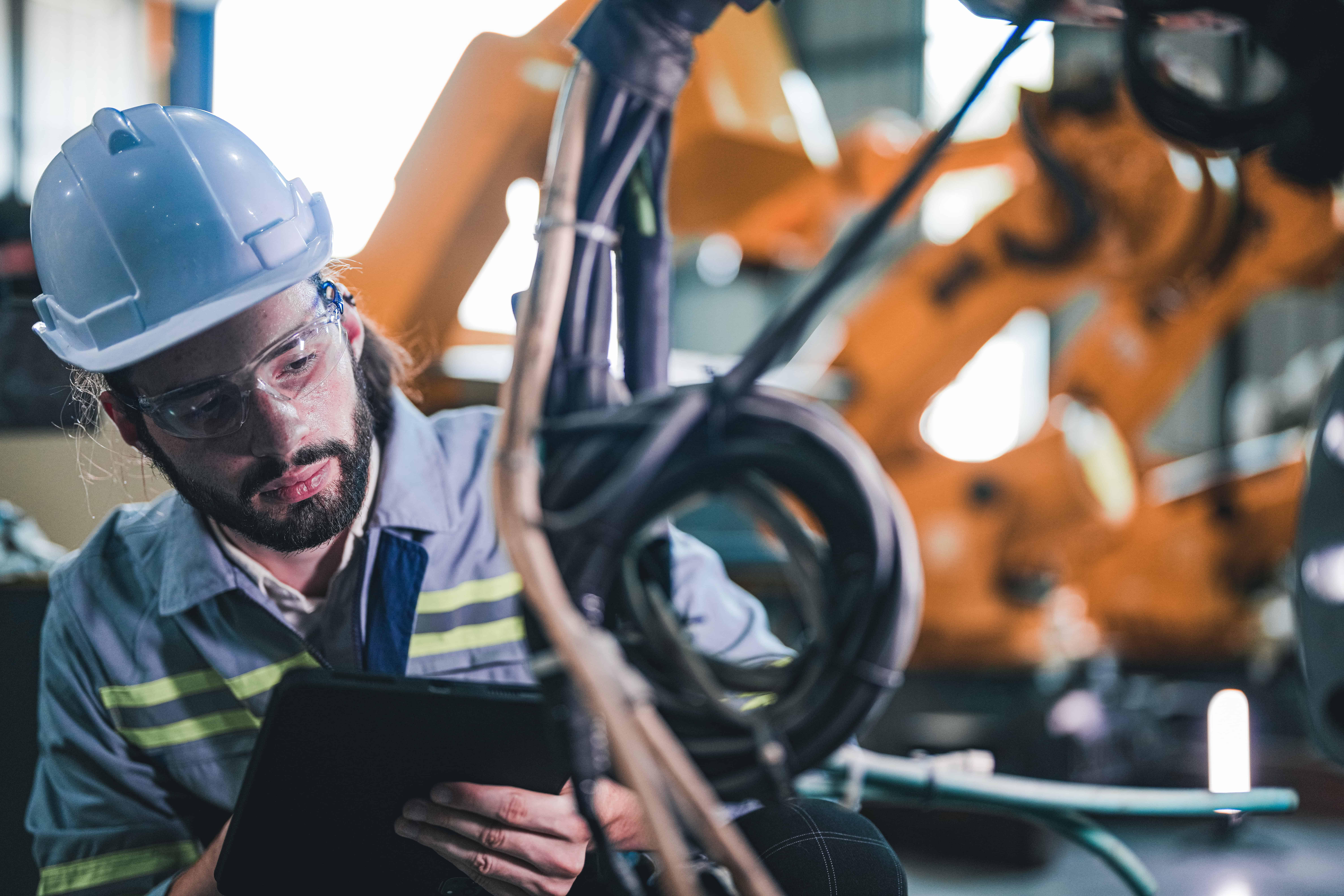
Five Practical Steps Mining Operators Can Take Right Now
If you are responsible for safety, HSE, or workforce planning at a mining operation and you are reviewing your approach this year, start here.
• Run a baseline psychosocial risk assessment using ISO 45003:2021 and the ICMM Tools for Psychological Health and Safety as your frameworks. Map the specific hazards your workforce faces by role and site, not generic categories. Open-pit, underground, processing, and camp populations each have distinct psychosocial profiles.
• Replace annual engagement surveys with continuous swing-start check-ins. A short, validated wellbeing assessment at the start of each rotation costs almost nothing and gives you the early warning data you do not currently have.
• Audit your supervisor training for psychosocial content. Most mining supervisor training is strong on physical safety and weak on mental health conversations and early warning signs. Identify the gap before it shows up in an incident or an attrition number.
• Review your fatigue risk management system against cognitive performance, not just hours-of-service. Compliance with rest-hour rules is the floor, not the ceiling. The actual risk lives in cognitive degradation, not in the timesheet.
• Treat your camp as a wellbeing system, not a logistics problem. Privacy, recreation, food, connectivity, and recreation infrastructure are protective factors. Run an internal review of your camp standards against the direction of travel in WA regulation.
The Regulatory and Commercial Case for Acting Now
Mining workforce wellbeing is no longer purely a humanitarian concern. Four forces are converging simultaneously.
ISO 45003:2021 provides the international framework for psychosocial risk management. The ICMM Tools for Psychological Health and Safety, published in July 2025, translate that framework into a peak-body sector standard aligned with ISO 45003 and national health and safety legislation. Between them, they set the expected floor for any operator of scale.
Australian model WHS regulations on psychosocial hazards are now in force across most jurisdictions, with state regulators issuing codes of practice that mirror ISO 45003. In Western Australia, Wellbeing Inspectors of Mines were first appointed in 2020 and expanded in 2022. Codes of practice on work-related fatigue and mining accommodation design are currently being developed and will further raise the operational floor for WA operators.
Major mining clients and joint-venture partners are starting to ask about psychosocial risk management as part of pre-qualification and contractor selection. The same shift that occurred in physical safety twenty years ago is now happening in psychological safety.
The commercial case is straightforward. High turnover among experienced operators is expensive. The MARS finding that one in three WA mining workers is looking to leave their current employer inside twelve months is a direct commercial signal. Fatigue-related incidents are more expensive. Regulatory exposure under new psychosocial risk laws is most expensive of all. A structured workforce wellbeing programme is, in practice, operational risk management.
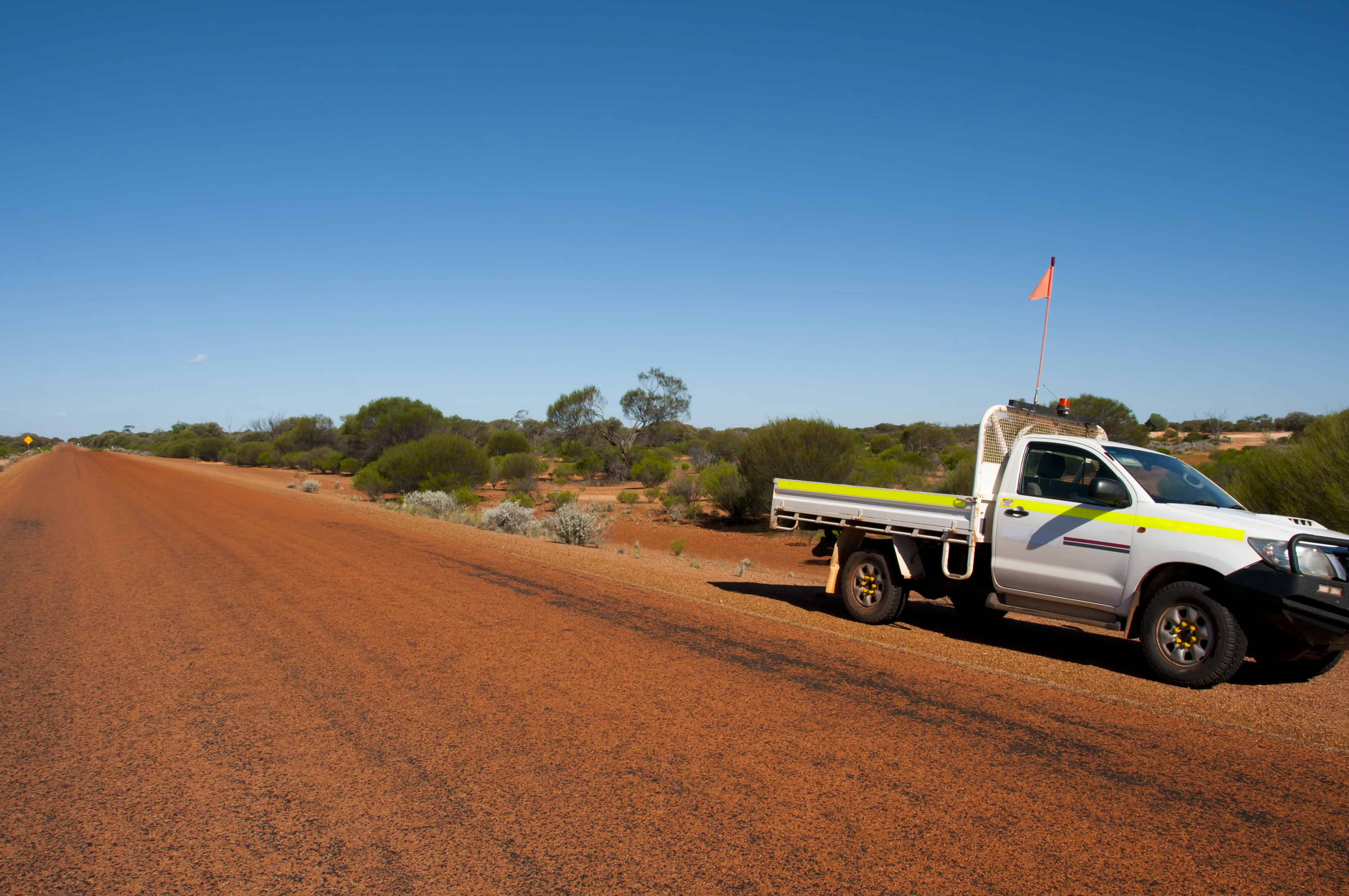
Mining workforce wellbeing is not a soft topic. The fatigue, the isolation, the camp conditions, the supervisor culture, and the roster patterns that shape day-to-day life on a mine site are direct contributors to incident rates, retention, and operational reliability. They are also, increasingly, areas of regulatory expectation under ISO 45003, ICMM peak-body guidance, and national psychosocial risk frameworks.
The operators who treat this as operational architecture rather than an HR initiative will be in a different commercial position over the next five years from the ones who do not. The tools, the standards, and the evidence are now all available. The question is whether the system is built to use them.
Where to start
The Six Drivers Mini Assessment is a 5-minute baseline diagnostic across the six conditions that determine workforce performance under pressure: Leadership and Relationships, Work Design and Demands, Flexibility and Balance, Recognition and Growth, Purpose and Meaning, Culture and Safety. Available here.
Frequently asked questions
What is a mining wellbeing programme and how is it different from a standard EAP?
A mining wellbeing programme is a structured, site-appropriate system for measuring, supporting, and improving the psychological functioning and operational performance of mining workers. Unlike an EAP, which provides reactive helpline access, a wellbeing programme works proactively, using continuous assessment, supervisor capability development, and roster and camp design as controls, in line with ISO 45003 and the ICMM Tools for Psychological Health and Safety.
How does ISO 45003:2021 apply to mining operations?
ISO 45003:2021 is the international standard for managing psychosocial risk at work. It applies directly to mining because the recognised hazards, fatigue, isolation, sustained pressure, exposure to traumatic events, harassment, are structural features of the work. The ICMM Tools for Psychological Health and Safety, published in 2025, translate ISO 45003 into a mining-specific framework aligned with national health and safety legislation.
Can a wellbeing programme work for crews in remote camps with limited connectivity?
Yes, provided it is designed for the environment. Effective mining wellbeing programmes use offline-first technology, meaning assessments, training modules, and resources function without a live connection and sync when bandwidth is available.
How do we measure the impact of a mining workforce wellbeing programme?
Track operational metrics: recordable incident rates, fatigue-related near-misses, unplanned absenteeism, turnover among experienced operators, and time-to-fill for critical roles. Establish a baseline before the programme launches and measure consistently. Wellbeing Daily's diagnostic dashboards give site-level and crew-level visibility connecting wellbeing data directly to operational performance indicators.
Does this apply to residential mining and drive-in drive-out workforces as well as FIFO?
Yes. The specific psychosocial profile differs by workforce model, but the hazards are present in all three. A workforce wellbeing strategy adapts the controls to the model rather than applying a single template.