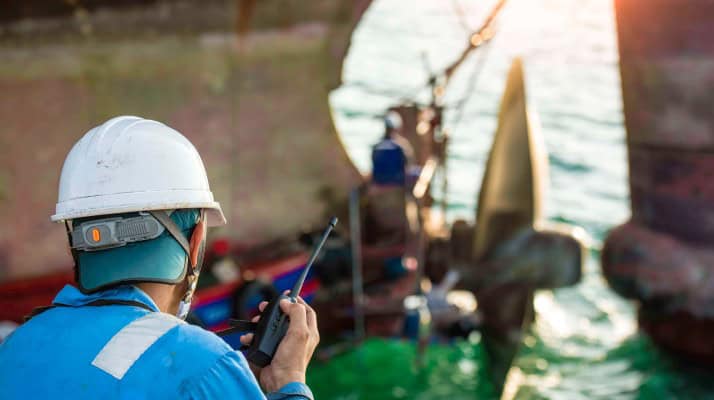
Workplace wellbeing programme for high-risk industry workers

Wellbeing Is a Safety Control. Not a Benefit.

Wellbeing Is a Safety Control. Not a Benefit.

We help operators in maritime, mining, energy and offshore measure the conditions that decide whether the next shift goes well. Before an incident tells you.

Founded by Ian Collins, author of The Wellbeing Imperative, Penguin Random House, November 2026.

A Clean Scorecard Does Not Mean a Safe Operation

A Clean Scorecard Does Not Mean a Safe Operation

Around 80% of workplace incidents trace to human factors. Fatigue. Cognitive overload. Stress. Disengagement. The standard response treats these as personal weaknesses to be trained away. Every one of them is a system condition.


Most safety dashboards count what has already gone wrong. They tell you nothing about the conditions that decide whether the next shift goes well. We measure those conditions, scored, structured, and aligned to ISO 45003.

The reality in high-risk operations

17 years

of OSHA data and 3.2 trillion worker hours analysed

No link

between total recordable incident rates and fatality rates

96 to 98%

of the variation in a typical TRIR is statistical noise

Six Conditions Decide Whether People Can Work Safely

Six Conditions Decide Whether People Can Work Safely

The Six Drivers are the system conditions that produce capacity or deplete it. They draw on research by De Neve and Ward, refined over fifteen years in high-risk operations, and they map directly to the psychosocial hazards listed in ISO 45003.


Most providers focus on the individual. Apps, gym memberships, mindfulness sessions. We focus on how work is designed, how people are led, and how the organisation functions.

Flexibility and Balance

Supports alertness, recovery, and sustained performance.

Leadership and relations

Improves decision quality, trust, and early risk reporting.

Work Design and Demands

Reduces fatigue risk, overload, and human error.

Recognition and growth

Strengthens engagement, capability, and retention.

Purpose and meaning

Drives ownership, accountability, and effort.

Culture and safety

Enables speaking up, learning, and incident prevention.

Six Drivers

Flexibility AND Balance

Supports alertness, recovery, and sustained performance.

Leadership and relations

Improves decision quality, trust, and early risk reporting.

Work Design AND Demands

Reduces fatigue risk, overload, and human error.

Culture and safety

Enables speaking up, learning, and incident prevention.

Purpose and meaning

Drives ownership, accountability, and effort.

Recognition and growth

Strengthens engagement, capability, and retention.

Most companies focus on individual wellness. Apps, gym memberships, mindfulness sessions. We focus on what actually matters: how work is designed, how people are led, and how organizations function.

Flexibility and Balance

Supports alertness, recovery, and sustained performance.

Leadership and relations

Improves decision quality, trust, and early risk reporting.

Work Design and Demands

Reduces fatigue risk, overload, and human error.

Recognition and growth

Strengthens engagement, capability, and retention.

Purpose and meaning

Drives ownership, accountability, and effort.

Culture and safety

Enables speaking up, learning, and incident prevention.

Six Drivers

Strategy first

Three Capabilities. One Operational Picture.

Strategic consulting sets the direction. It decides which capability an operation needs, in what order, and to what end. Everything downstream traces back to that plan.


We Measure

Wellbeing Daily measurement dashboard for workplace safety risk assessment

Diagnostics that surface system risk before it becomes an incident. Six Drivers, Psychosocial Risk Assessment, Individual Wellbeing Assessment, and the Capacity Index.

We Measure

Wellbeing Daily measurement dashboard for workplace safety risk assessment

Diagnostics that surface system risk before it becomes an incident. Six Drivers, Psychosocial Risk Assessment, Individual Wellbeing Assessment, and the Capacity Index.

We Measure

Wellbeing Daily measurement dashboard for workplace safety risk assessment

Diagnostics that surface system risk before it becomes an incident. Six Drivers, Psychosocial Risk Assessment, Individual Wellbeing Assessment, and the Capacity Index.

We Educate

Wellbeing education workshop and coaching session for safety-critical teams

Programmes that build the organisation's capacity to support its people. The BALANCED programme, targeted workshops, and Human and Organisational Performance for leaders.

We Educate

Wellbeing education workshop and coaching session for safety-critical teams

Programmes that build the organisation's capacity to support its people. The BALANCED programme, targeted workshops, and Human and Organisational Performance for leaders.

We Educate

Wellbeing education workshop and coaching session for safety-critical teams

Programmes that build the organisation's capacity to support its people. The BALANCED programme, targeted workshops, and Human and Organisational Performance for leaders.

We Support

Digital wellbeing support tools for offshore and onsite high-risk workers

Tools, coaching and reporting that hold the gains, including offshore and on rotation.

We Support

Digital wellbeing support tools for offshore and onsite high-risk workers

Tools, coaching and reporting that hold the gains, including offshore and on rotation.

We Support

Digital wellbeing support tools for offshore and onsite high-risk workers

Tools, coaching and reporting that hold the gains, including offshore and on rotation.

Trusted Where the Consequences Are Real

Trusted Where the Consequences Are Real

From global shipping fleets to energy sector operations, we work with organisations where human performance decides safety outcomes.

On The Wellbeing Imperative

“It takes the idea of wellbeing to the system level, leaving the reader in no doubt that thriving humans are not a cost to organisational performance, they are a driver.”

Ben Pronk DSC, former Commanding Officer, Australian SAS Regiment

“The environment we create for people is not something separate from the work. It is what makes the work happen reliably.”

José Almeida, Head of Corporate Safety and Security, Galp

“He powerfully demonstrates that wellbeing is not optional, but rather the foundation of safety and performance. Essential reading for leaders across our industry.”

Duncan Bond, Chief Commercial Officer, Berge Bulk Shipping

Fisher Improvement Technologies logo

Proud partner of Fisher Improvement Technologies. Licensed to deliver FIT’s Human and Organisational Performance programme.

See Where One of Your Operations Sits

The Six Drivers Mini Assessment takes ten minutes. Pick the operation you most want to fix, answer honestly, and get a score and a short narrative for each of the six drivers. No login, no call, no follow-up unless you ask for one.

Penguin Random House, 24 November 2026

The Methodology, Published

The Methodology, Published

The Wellbeing Imperative: How Thriving People Drive High Performance sets out the argument behind everything we do. The hierarchy of controls applied to psychosocial risk. Why injury rates are statistically invalid at most organisational scales. Where resilience training actually belongs. The Six Drivers as control measures, mapped to ISO 45003.
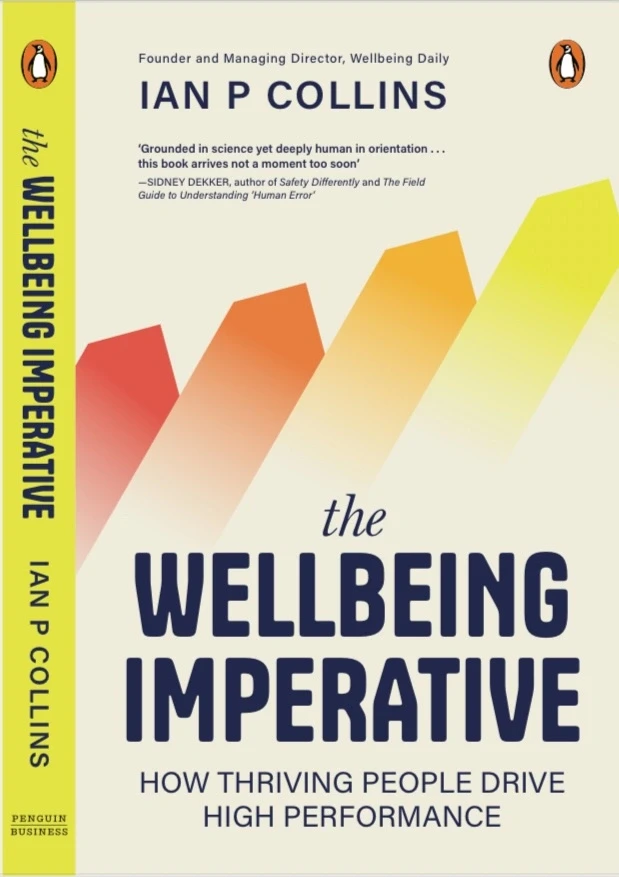
The Wellbeing Imperative book by Ian Collins published by Penguin
Science-backed workplace wellbeing strategy for high-risk industries

Start With the Operation You Most Want to Fix

Most engagements begin with a scoping call. You describe the operation and the pressures on it. We tell you which diagnostic fits, what sequence makes sense, and roughly what it costs. Thirty minutes, and you leave with a clear view of scope.

Start With the Operation You Most Want to Fix

Most engagements begin with a scoping call. You describe the operation and the pressures on it. We tell you which diagnostic fits, what sequence makes sense, and roughly what it costs. Thirty minutes, and you leave with a clear view of scope.