What Is the Capacity Index? A Better Way to Measure Safety

Most safety metrics count what already went wrong. A capacity index does the opposite. It measures whether an operation can absorb the variability that real work produces, and recover when something fails, before an incident forces the question. That is a better question to be asking. It is also the reason Total Recordable Incident Rates (TRIR) is the wrong safety metric for high-risk work.
The idea is not ours. The capacity index concept comes from the work of Sidney Dekker and Michael Tooma, published in 2022, and a handful of organisations have since built their own versions. What Wellbeing Daily has done is take that spine and add the layer almost everyone else leaves out: the human one. This article explains what a capacity index measures, and what changes when you measure the people the system depends on, not just the system on paper. It gives you the shape of the model. It does not give away the method.
Safety is the presence of capacity, not the absence of injuries
Start with the idea underneath the whole approach. Safety was never the absence of injuries. It is the presence of capacity. A safe operation is not one that happened to avoid harm last quarter. It is one that can take an operational surprise, a failed barrier, a bad decision, a moment of confusion, and stay whole.
Dekker and Tooma made the academic case for this in 2022. Capacity is built deliberately, before the surprise arrives, and it can be measured before an incident rather than counted after one. That single move changes what a safety metric is for. It stops being a scoreboard of past harm and becomes a live read on present readiness. A capacity index turns that principle into a number you can track, compare over time, and act on while there is still time to act.
The organisational layer: six capacities
Every credible capacity index shares the same spine. Six capacities, drawn from the due diligence duties directors already carry and from resilience science: Know, Understand, Resource, Monitor, Comply, Verify. Each is scored from objective indicators and rolled up into a single number. Does the operation know where its risk actually sits. Does it understand work as it is really done, not as the procedure imagines it. Are controls resourced ahead of demand. Are barriers monitored, obligations met, and learning verified independently rather than self-reported.
Some organisations measure this layer well. A US engineering and construction firm, for example, runs its own capacity index built around the gap between what did happen and what could have happened, tracking actual severity against potential severity as a read on barrier health. That is a genuine leading indicator, and it is a real advance on TRIR. It is also, on its own, only half the picture.
The part almost everyone leaves out
Here is the part the safety profession has been slowest to accept. Most of the capacity in any operation lives on the human side. Fatigue. Cognitive load. Recovery time. Psychological safety. Role clarity. These are not feelings to be managed quietly inside HR. They are the conditions that decide whether a person can absorb a bad moment or be overwhelmed by it. When a system depletes its people, it depletes its own ability to fail safely, and no amount of structural rigour on the organisational layer makes up for it.
Around eighty per cent of workplace incidents trace back to human factors. Every one of them is a system condition, not a personal weakness, and every one of them sits upstream of the injury a lagging metric eventually records. An index that scores only the organisational layer is measuring the machine and ignoring the people running it. That is the gap Wellbeing Daily set out to close.

Our version: the human layer, measured
The Wellbeing Daily Capacity Index keeps the six-capacity spine and adds a second layer that scores human capacity directly. The two combine into one number. The human layer is built on our Six Drivers of workplace wellbeing, a structured set of conditions that determine whether a workforce is operating at capacity or drawing on reserves it does not have. The Drivers measure the margin between what the work demands and what people can reliably deliver. When that margin narrows, error fills the space.
The Six Drivers are mapped to the psychosocial hazards named in ISO 45003, so what the Index measures lines up with what regulators already expect organisations to manage. This is not an engagement survey. Engagement surveys measure how people feel. The Six Drivers measure how the work is designed, which is a different level of the hierarchy of controls and a different kind of result. As far as we know, no other capacity index does this. Measuring the human layer with the same rigour as the organisational one is what makes ours, we believe, a more complete instrument.
The detail of the Drivers, how each is scored, how they are weighted, and how they feed the capacities where human factors dominate, is the part we build with clients rather than publish. The principle is what matters here. Wellbeing, measured this way, is not a soft initiative. It is the human-side measurement of capacity, and it is the one leading indicator of human reliability you can act on before the chain runs from stress to fatigue to error to incident.
Why a leading indicator changes the conversation
A lagging indicator like TRIR can only tell you about harm that has already happened. By the time it moves, the conditions that produced the movement are weeks or months old. You are managing a crisis after the fact and calling it prevention.
Capacity is a leading indicator. It reads the conditions that precede incidents while they are still conditions, not yet consequences. For an operations leader, that reframes the whole review. Instead of explaining a random swing in a low-frequency injury count, the conversation becomes about specific, addressable things: where reserve is thin, where reporting is freezing, where the margin between demand and capability has closed. These are things a leader can act on before an incident, not after.
What this looks like in practice
In safety-critical, shift-based industries, the Index tends to surface the same truth generic corporate wellbeing tools miss entirely. Risk is not evenly spread. It concentrates in specific windows and specific teams, and it builds long before it shows up as an event.
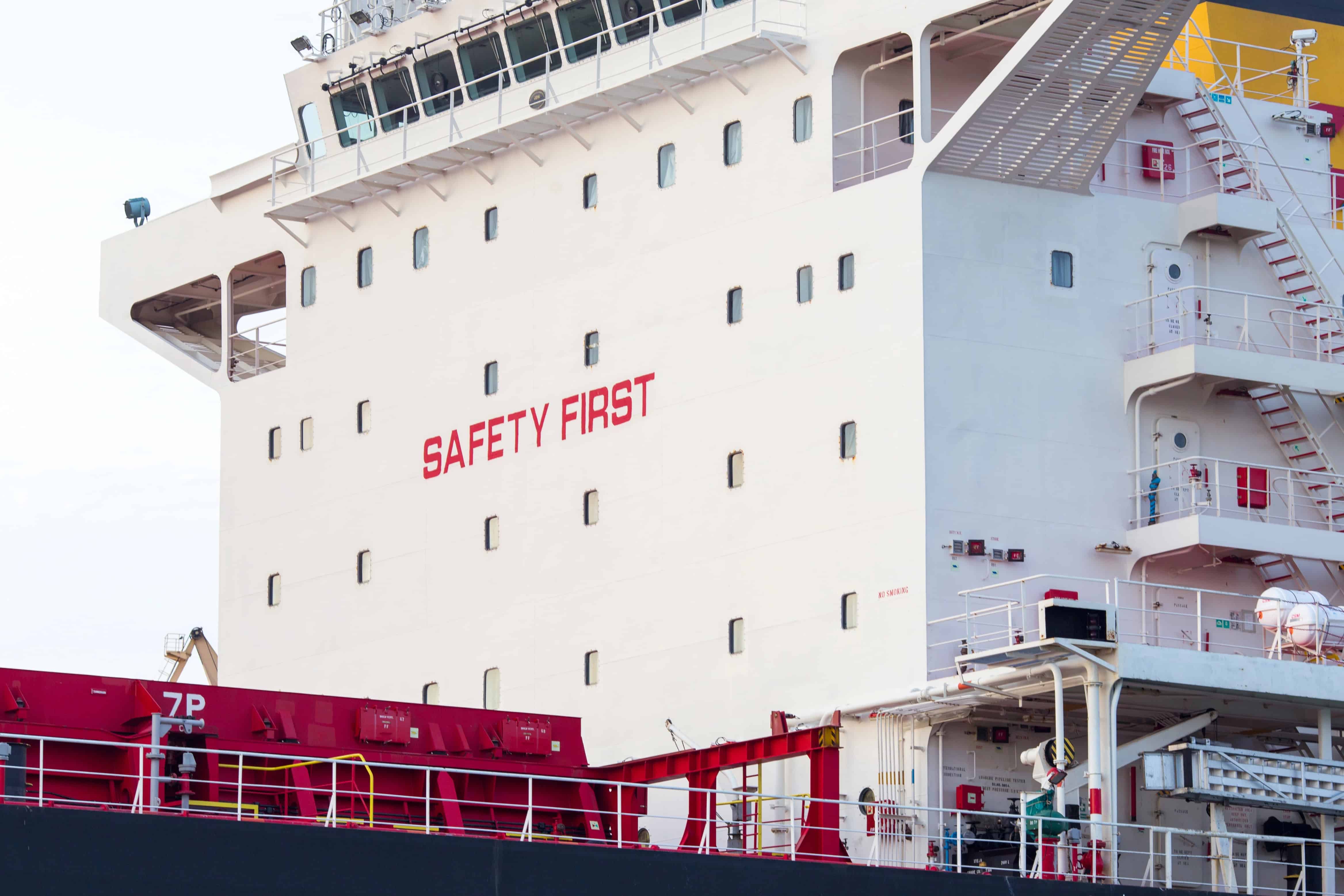
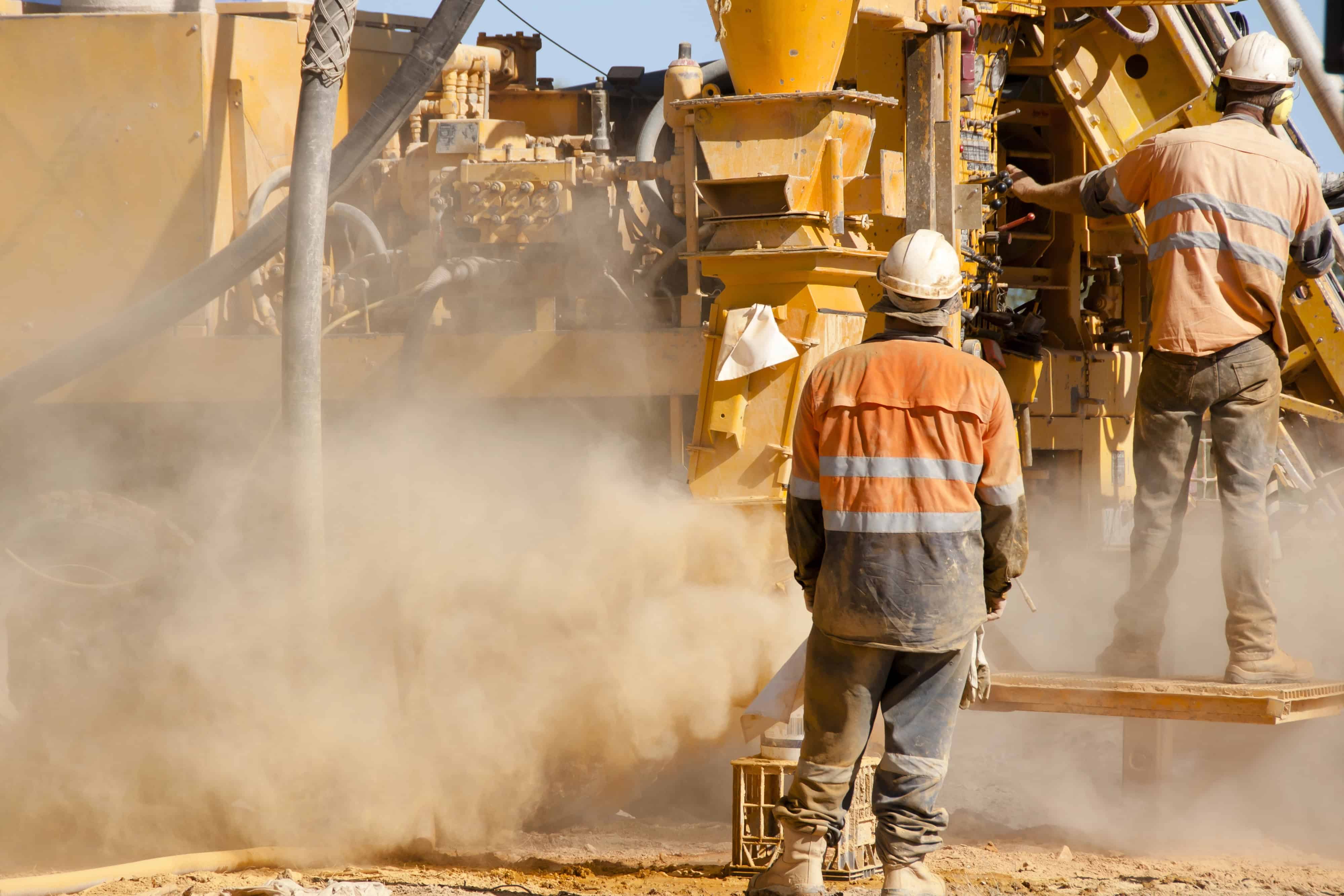
A maritime operation may hold strong organisational capacity on paper while its human layer thins across the back end of a rotation. A mining site may look solid in the first half of a swing and shed capacity in the pre-changeover window, exactly when supervision is lightest. Oil and gas may appear robust until a non-routine decision lands on an operator whose recovery status was never visible. The Index makes those patterns legible before they reach the incident record. It is field-tested in high-stakes environments, not modelled in the abstract.
The starting point is an honest measurement
Building capacity begins with seeing it clearly, across both layers, at the level of specific teams and rotations rather than a single site-wide average. That baseline is what the Capacity Index provides. What an organisation does with it, how the two layers are strengthened, how the score is moved, how capacity is built deliberately over time, is the work we do together. The measurement is the entry point. The building is the engagement.
One honest note on limits, because it matters. Any index still measures the work of safety more than the safety of work itself, and any metric can be gamed. We handle that the same way every time. We anchor each indicator to objective criteria rather than impressions, we pair the Index with severity rate so it is always checked against real outcomes, and we treat a perfect score as a warning rather than a goal.
If your recordable rate looks fine and you are no longer sure it means anything, that instinct is worth trusting. See how Wellbeing Daily helps organisations measure and build capacity in safety-critical operations, or get in touch to discuss what our Capacity Index would show in yours.
Frequently asked questions
What is a capacity index?
It is a measurement model that assesses an operation's ability to absorb operational surprises and recover from them, rather than counting injuries after they occur. It reads capacity across two layers: the organisation's structural ability to manage risk, and the human condition of the workforce that risk management depends on.
How is the Capacity Index different from TRIR?
TRIR is a lagging indicator that measures harm after it has happened, and research shows recordable injuries are largely random and statistically unreliable for comparison. The Capacity Index is a leading indicator. It reads the conditions that precede incidents while they can still be changed, which makes it something a leader can act on rather than simply report.
What does the Index measure on the human side?
The human layer is built on the Six Drivers of workplace wellbeing: the structured conditions that determine whether people can absorb a bad moment under pressure. The Drivers are mapped to the psychosocial hazards in ISO 45003, so the measurement aligns with what regulators already expect organisations to manage.
Which industries is it built for?
Safety-critical, shift-based, high-regulation industries (maritime, mining, oil and gas, FIFO operations, etc) where generic corporate wellbeing tools fail because they were designed for the average office rather than for rotation, isolation, and high-consequence decision-making.
Does an organisation need to abandon its existing safety metrics to use it?
No. The Capacity Index sits alongside existing reporting as a leading indicator, giving leaders a read on the conditions that traditional lagging metrics cannot see. Most organisations keep their compliance reporting and add capacity measurement to understand what those numbers are missing.