How Does Human Factors Engineering Reduce Critical Errors in High-Risk Operations?

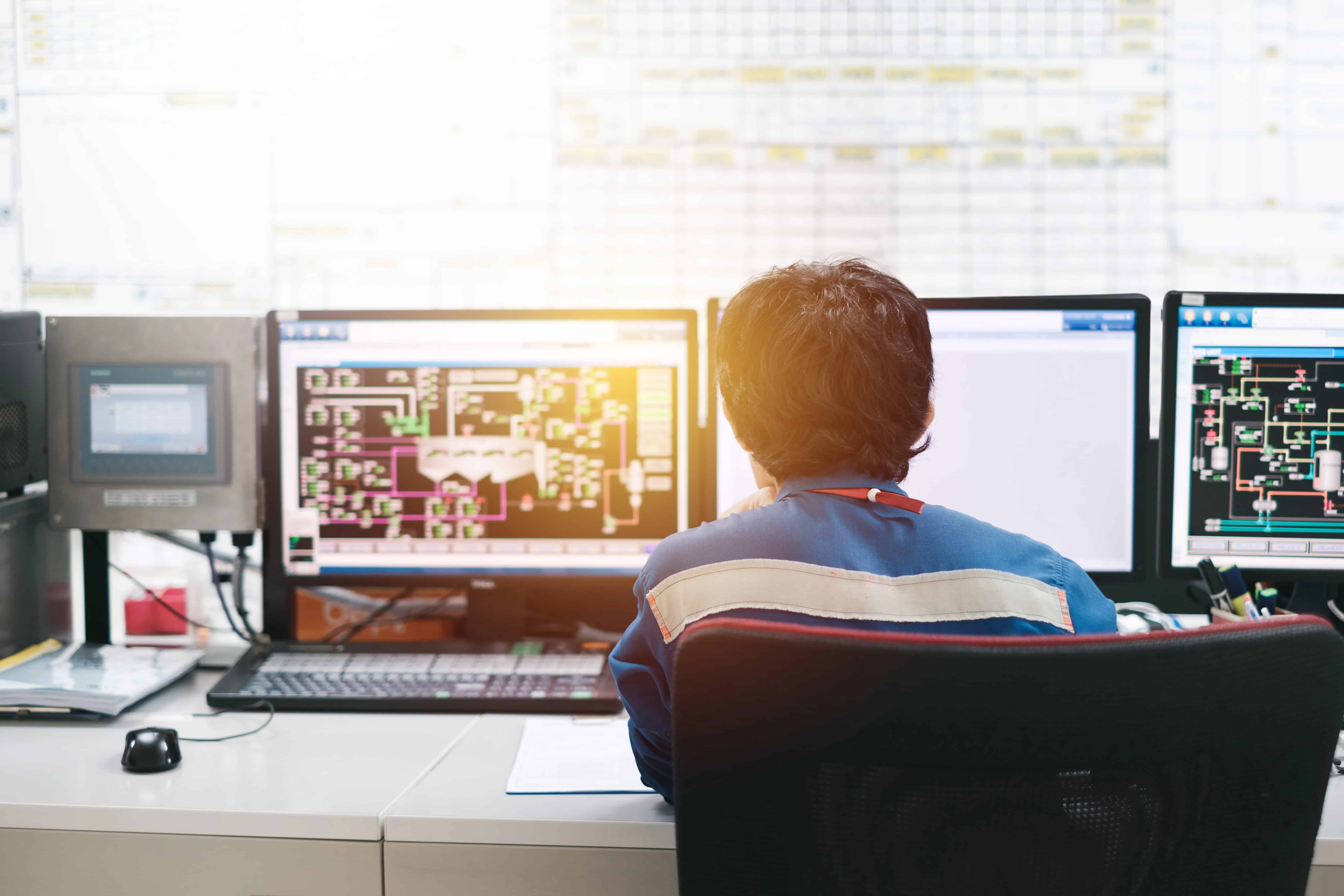
A control room operator on a gas platform misses an alarm. The investigation finds he was watching 14 screens, hearing 340 alarms a shift, and working hour 11 of a 12-hour night. The report says "failure to maintain situational awareness." The corrective action is a toolbox talk.
Nothing changes. Because nothing about the system changed.
This is the gap human factors engineering exists to close. It does not ask people to try harder inside a system that is set up to defeat them. It changes the system.
What Is Human Factors Engineering in Safety-Critical Environments?
Human factors engineering applies what we know about human capability and human limitation to the design of work. Interfaces, procedures, alarms, layouts, rosters, handovers. Anything a person has to think through under pressure.
The starting assumption is different from traditional safety training. Training assumes the person is the variable to fix. Human factors assumes the design is. People arrive at work with fixed cognitive limits. Working memory holds a handful of items. Attention degrades with fatigue. Judgement narrows under time pressure. These are not attitude problems. They are properties of the human operating system.
Maritime, mining, and oil and gas depend on this discipline because the consequences of a single missed cue are measured in lives and hulls, not in rework.
Why Traditional Safety Approaches Fall Short
Most safety programmes still run on a simple theory: the worker made a bad choice, so give the worker better information, and the choice improves.
That theory holds up in a well-designed system. It collapses in a badly designed one. You cannot train someone out of a control panel with three identical switches in a row. You cannot brief someone out of a procedure that assumes 20 minutes for a task that takes 45. You cannot toolbox-talk someone out of an alarm system that cries wolf 300 times a night.
Fatigue is the clearest example. Fatigue is not a training problem. It is a design problem - rosters, shift rotation, workload, and recovery time. The same is true of error more broadly. When fatigue narrows, error fills the space. The question is what the system does with that error once it appears.
The Science Behind Human Error
Cognitive load and decisions under pressure
Working memory is small. When operators face more information than they can hold, or less time than the task requires, error probability does not creep up. It climbs sharply.
Good design lowers the load. It puts the right information in front of the operator at the moment of decision, and it keeps everything else out of the way. Decision support tools, prioritised alarms, and clean interfaces do not make people smarter. They make the task smaller.
Situational awareness and the physical environment
Loss of situational awareness sits behind a large share of critical incidents at sea, underground, and on process plants. It is rarely a failure of vigilance. It is usually a failure of environment.
Noise that masks a warning. Lighting that flattens a gauge. A bridge layout that puts the radar behind the watchkeeper's shoulder. Human factors engineering treats these as engineering defects, because that is what they are.
How Human Factors Engineering Prevents Critical Errors
Error-resistant system design
Design for the person who is tired, distracted, and under pressure - not the person in the training video.
That means forcing functions that make the wrong action physically hard. Constraints that close off dangerous states. Feedback that tells the operator immediately when something has gone sideways. And recovery pathways, so that a single error stays a single error rather than becoming an incident.
Interface and control optimisation
Controls, screens, and communication systems should map to how people actually perceive and act. Standardised layouts. Visual cues instead of memory. Displays that show state, not just data.
And they should be tested with real operators, in realistic conditions, before they are installed. Not after.
Procedures built on task analysis
There is work-as-imagined and there is work-as-done. Procedures written from the first will always be violated by the second.
Task analysis closes the gap. Watch how the job is really performed. Understand the time pressure, the competing priorities, the workarounds people have invented to make an unworkable procedure workable. Then write a procedure that reflects reality - with frontline workers in the room while you do it.
Measuring the Impact
Human factors work is measurable, and it should be measured on leading indicators first.
Near-miss reporting rates. Procedure compliance. Usability scores from operators. Task completion times. Error recovery times. Rework.
Lagging indicators still matter (incident frequency and severity) but they tell you about last year. And total recordable injury rate is a particularly poor guide here. It is statistically too noisy at most site-level exposures to distinguish a real improvement from chance.
The commercial case is usually built on downtime, insurance, and regulatory exposure rather than injury counts.
Where Human Factors and Wellbeing Meet
These two disciplines have been treated as separate for too long. They are the same problem viewed from two angles.
A poorly designed system produces chronic stress. Chronic stress degrades attention, sleep, and judgement. Degraded attention produces error. Error produces incidents, which produce more procedures, which increase the load on an already overloaded operator.
Psychosocial hazards (excessive demand, low control, poor support, unclear roles) are design characteristics of work. So are cognitive load and alarm density. Addressing one without the other leaves the loop intact.
Industry-Specific Applications
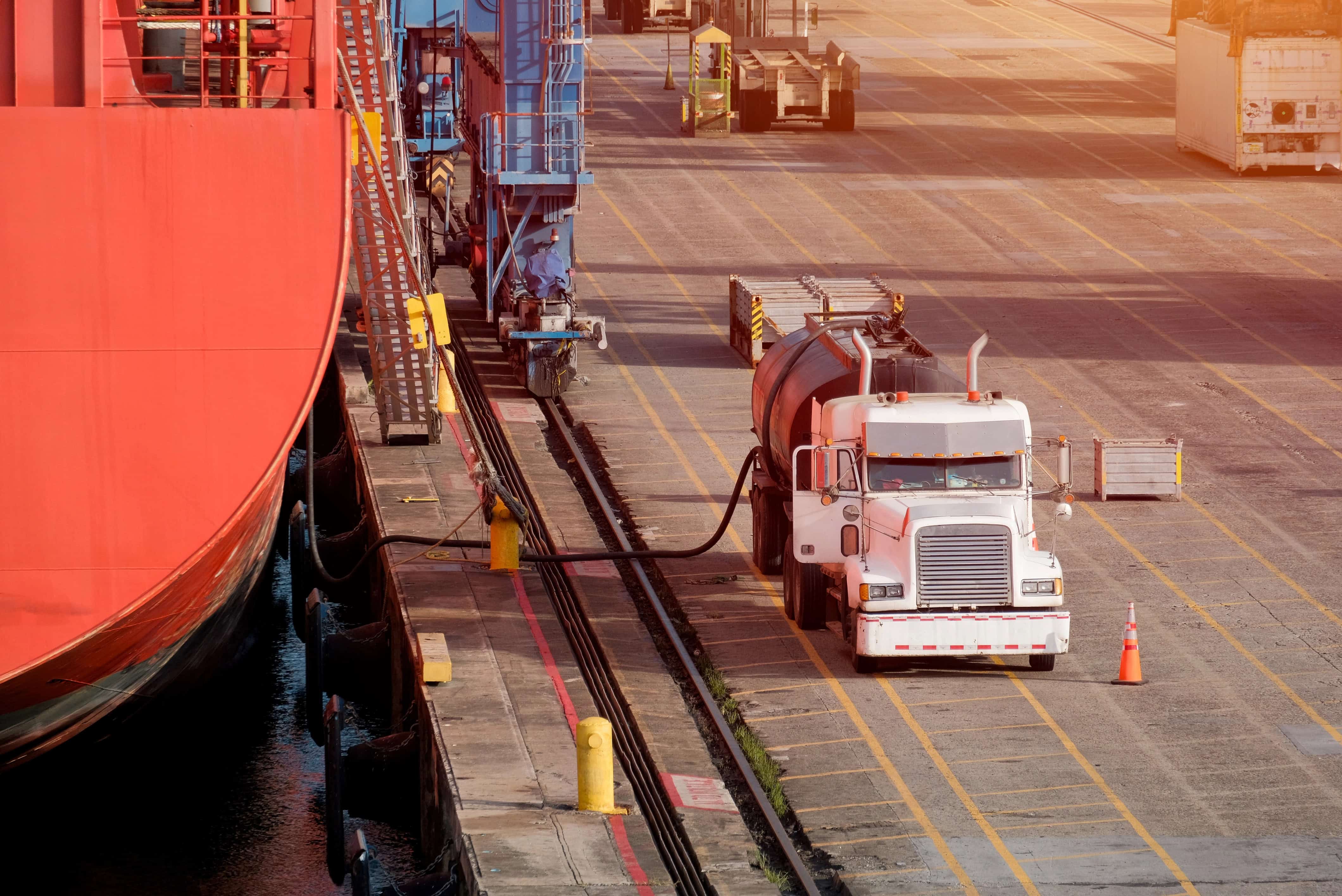
Maritime: bridge design and the watch
Bridge layout has to support hours of low-stimulation watchkeeping, then an instant switch to high-intensity decision-making when a contact appears. Those two demands pull in opposite directions.
Alarm design is the pressure point. An alarm system that fires constantly trains the crew to ignore it. Add vessel motion, confined space, and months of isolation, and the margin between demand and resource gets very thin.
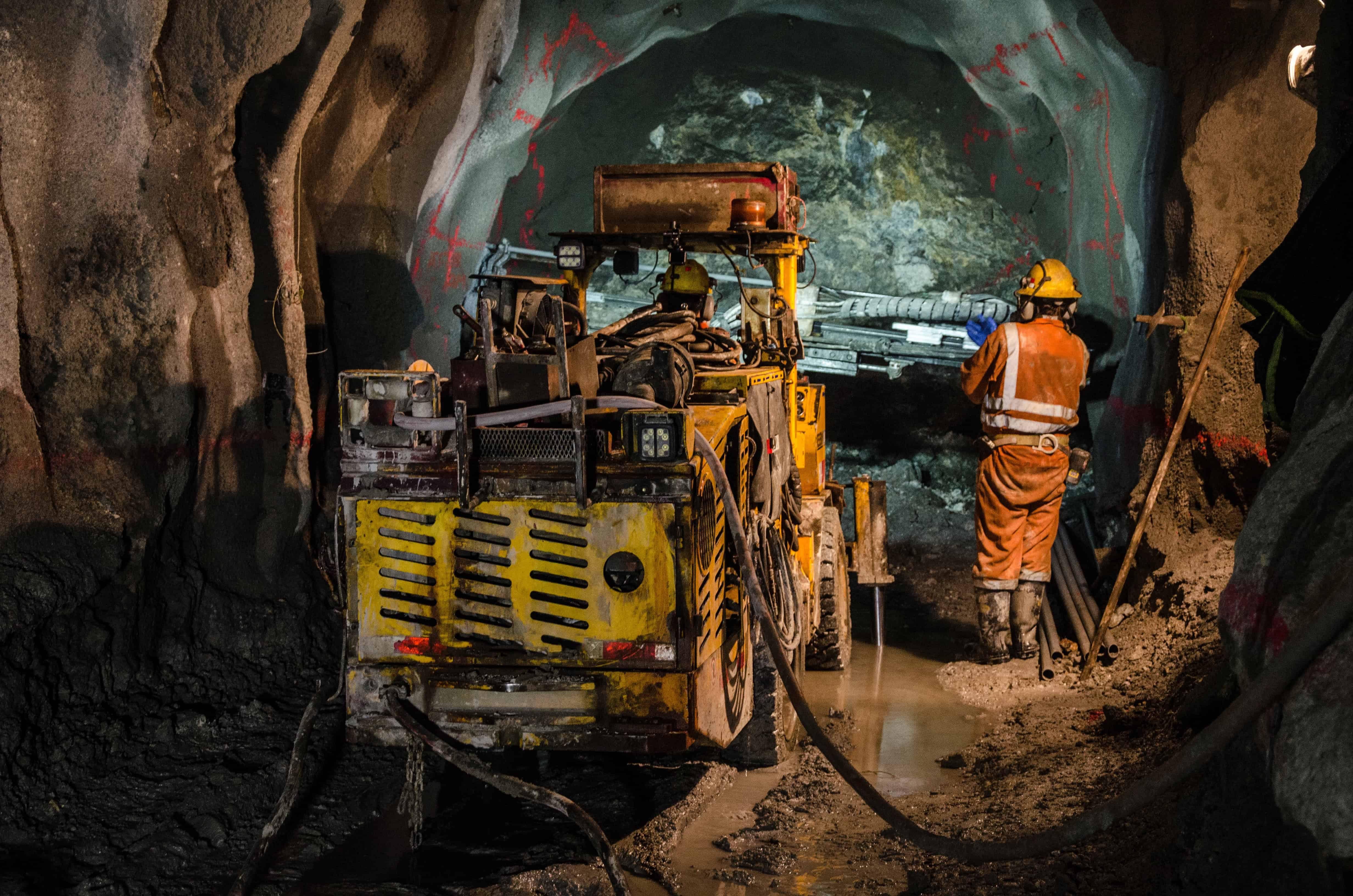
Mining: control rooms and remote operations
Sustained attention over a long monitoring shift is one of the hardest things you can ask of a human being. Control room design either supports it or actively erodes it.
Remote operation adds another layer. Operators controlling equipment from hundreds of kilometres away lose the sensory feedback (vibration, sound, dust) that they previously used to know something was wrong. That feedback has to be rebuilt deliberately in the interface.
Oil and gas: process control under narrow margins
Tightly coupled processes leave very little time between an abnormal signal and a required response. Emergency shutdown procedures have to be executable by a stressed person at 3am, not by a calm person at a desk.
Decision support that helps an operator diagnose an abnormal situation quickly is worth more than another laminated procedure.
Implementing It in Your Organisation
Start with assessment
Analyse existing systems, procedures, and environments to find the error-prone conditions. Observe. Interview. Walk the task with the people who do it. Prioritise by consequence severity and likelihood.
Build internal capability
Train your own people in human factors principles so they can evaluate a new system before it is installed. Make human factors review a standard gate in change management and project approval. Put operations, engineering, safety, and wellbeing in the same room.
Fix the incident process
Move past individual blame to the systemic conditions that made the error possible. Structured methods like HFACS help categorise contributing factors consistently. Then close out with design changes, not with another rule and another training module.
That last point is where most organisations fail. Adding rules to a system that is already overloading its operators makes the problem worse, not better.
The Regulatory Picture
ISO 45003 makes consideration of work design explicit. It is not a wellbeing standard bolted onto a safety system. It requires organisations to identify and control psychosocial hazards arising from how work is designed, organised, and managed — which is human factors territory.
For major hazard facilities, documented human factors consideration is increasingly part of demonstrating due diligence. Regulators want to see that you understood the human in the system, not just the hardware.
What Comes Next
Digital tools and AI can provide real-time decision support, but only if they reduce cognitive burden rather than add another screen to watch. Virtual reality allows human factors testing before steel is cut. Wearables can monitor operator state, though the privacy and trust questions around them are unresolved and should not be waved away.
None of this replaces the fundamentals. Most of the gains available to a maritime, mining, or energy operation right now sit in alarm rationalisation, procedure rewriting, roster redesign, and interface cleanup. Unglamorous work. Very effective work.
The Honest Position
Human factors engineering will not eliminate error. Nothing will. Humans are variable by design, and that same variability is what allows people to adapt when the plan fails - which, in high-risk operations, it regularly does.
The goal is not a workforce that never makes mistakes. It is a system that expects them, absorbs them, and gives people the conditions to catch them before they matter.
That is what wellbeing looks like when it is treated as operational intelligence rather than an HR initiative. Not a programme. A design principle.
Frequently asked questions
What is the difference between human factors engineering and safety training?
Safety training changes the person. Human factors engineering changes the work. Training tells an operator to be vigilant with a badly designed alarm system. Human factors fixes the alarm system. Both have a place, but training cannot compensate for a design that exceeds human capacity.
How long does it take to see measurable results?
Leading indicators (usability scores, near-miss reporting, task completion times) typically move within three to six months of a targeted intervention. Lagging indicators take longer and are harder to attribute cleanly. Anyone promising a specific incident-rate reduction on a fixed timeline is guessing.
Can human factors principles be applied to existing operations, or only new designs?
Both. New design is cheaper and gives you more room. But most of the practical value in an established operation comes from retrofit work: alarm rationalisation, procedure rewriting, control room layout, handover redesign. You are not rebuilding the plant. You are removing the traps.
How does this integrate with ISO 45001?
ISO 45001 requires you to identify hazards and control risk. Human factors is how you do that for the cognitive and organisational hazards that 45001 alone tends to under-specify. ISO 45003 provides the psychosocial detail. In practice they sit together: 45001 is the management system, human factors is part of the content.
What are the most common human factors issues in FIFO operations?
Roster-driven sleep disruption, circadian misalignment on night rotations, compressed handovers between crews who never overlap, and isolation from support networks. These are design decisions. They can be redesigned.
How much does a comprehensive human factors assessment cost?
It depends on scope: number of sites, depth of task analysis, and whether you are assessing a single control room or a full operation. A focused assessment of one high-consequence area is a very different exercise from an enterprise-wide review. Any firm quoting a fixed price before understanding your operation is selling a template.