Operational Resilience and How Workplace Wellbeing Builds It in Safety-Critical Industries

Operational resilience is not about surviving disruption. It is about holding performance when conditions turn against you, adapting to what you did not plan for, and recovering before a bad situation becomes a worse one. In high-risk industries, the difference between an organisation that absorbs a shock and one that fractures under it rarely comes down to equipment or procedures. It comes down to the people inside the system, and how well the system supports them.
Workplace wellbeing is now a measurable input into that resilience. When a workforce is cognitively sharp, psychologically safe, and physically capable, the whole system becomes more reliable. This article sets out the connection: the science behind it, the strategy that follows, and the practical steps operations leaders can take to build resilience from the inside.
What operational resilience means in high-risk environments
Operational resilience is the capacity of an organisation to anticipate, prepare for, respond to, and adapt to both gradual change and sudden disruption. A system that only functions under ideal conditions is not resilient. It is fragile with a good safety record.
Traditional safety management focuses on preventing known failure modes. Operational resilience goes wider. It asks what happens when pressures converge at once. What lets a team make sound decisions under stress, communicate clearly in a crisis, and recover performance without losing more ground. The answer keeps returning to the human element. Organisations with strong resilience invest in their people's capacity to function under pressure, not only in their technical systems. Wellbeing, on this reading, is not a soft metric. It is a direct input into system reliability.
Why resilience goes beyond preventing incidents
Most safety frameworks are built around incident prevention. Resilience accounts for the full range of performance degradation that precedes a reportable event: slower decisions, higher error rates, narrowed situational awareness, and breakdowns in team communication. In maritime, mining, and oil and gas, the gap between an early performance warning and a critical event can be very short. Building resilience means closing that gap, detecting and addressing the human factors that come before failure rather than only responding to the failure itself.

Why traditional safety approaches miss the resilience factor
Compliance-based safety systems are designed to meet standards, not to build capacity. When performance is measured through lagging indicators such as incident rates or near-miss counts, the organisation is looking backwards. Those numbers tell you what went wrong. They cannot tell you how close the workforce is to the edge of safe performance right now.
This is the core limitation of relying on Total Recordable Incident Rate. A clean incident record can sit on top of chronic fatigue, psychological strain, and deteriorating situational awareness for months. The absence of incidents is not the presence of resilience. Reactive risk management responds after problems surface. Resilience requires a proactive posture, one that uses leading indicators to read workforce state and intervene before performance degrades to a dangerous level. Without that shift, an organisation stays permanently one step behind the risks it carries.
The limits of compliance-only frameworks
Compliance sets a floor, not a ceiling. It defines the minimum acceptable standard and says little about how to build systems that perform under stress. In high-consequence environments, the minimum is not enough. The workforce has to be capable of handling the unexpected, and that capability is built and sustained deliberately. It is never safe to assume it.
The science behind wellbeing and organisational resilience
The link between wellbeing and operational performance is not a matter of opinion. It sits on cognitive science, occupational health research, and decades of human factors study. When people are well, they think more clearly, communicate more effectively, and recover faster. When they are not, every layer of the system becomes more vulnerable.
Cognitive capacity is affected directly by stress, sleep loss, isolation, and untreated mental health conditions. Workers under high psychological strain make more errors, take longer to assess risk, and adapt less well when a situation changes quickly. In safety-critical operations, those differences translate straight into system performance and incident risk.
Psychological safety carries the same operational weight. Teams that feel safe to speak up, flag a concern, and ask a question without fear of blame catch errors before they escalate. Amy Edmondson's research established psychological safety as a determinant of team learning and error detection, and the high-reliability organisation literature has since shown the same pattern in nuclear, aviation, and healthcare settings: where people report problems early, systems recover faster. Psychological safety is not a cultural nicety. It is a functional component of a resilient system.
Mental health and system uptime
The commercial cost of poor workforce mental health is now well documented. Deloitte estimates that poor mental health costs UK employers around £51 billion a year, with presenteeism, people working while unwell and performing below capacity, the single largest contributor. In high-risk industries the cost runs further, into error-related downtime, incident investigation, and regulatory response. Organisations that invest in mental health support see measurable reductions in unplanned downtime and steadier operational performance across shifts.
Human factors: the bridge between individual wellbeing and system performance
Human factors is the discipline that studies how people interact with the systems, tools, environments, and teams around them. It sits where psychology, engineering, and operational design meet, and it explains how individual wellbeing feeds into system-level outcomes.
In safety-critical work, human factors asks direct questions. How does fatigue affect a control room operator's ability to detect an anomaly? How does cognitive overload during an emergency change the quality of a decision? How do team dynamics shape whether a near-miss gets reported? The answers determine how resilient a system is in practice. Treating fatigue management, cognitive load, and situational awareness as operational priorities rather than HR concerns is what closes the gap between policy and performance.
Situational awareness, fatigue, and cognitive load
Situational awareness, the ability to perceive, understand, and project what is happening in an operational environment, is one of the most important cognitive capabilities in safety-critical roles. It deteriorates under fatigue and psychological strain. Workers on extended deployments, night shifts, or high-demand rotations show reduced situational awareness past a certain threshold, often well before any visible sign of impairment.
Cognitive load works the same way. When someone is already carrying a heavy mental burden from stress, poor sleep, or emotional strain, the capacity left for complex operational tasks is smaller. Human factors-informed wellbeing programmes address this directly, treating cognitive and psychological resources as operational assets that have to be protected and replenished.
Building operational resilience through strategic wellbeing programmes
Most workplace wellbeing programmes are built around reactive interventions: employee assistance lines, mental health days, counselling after a problem emerges. These have value. They do not build resilience. Resilience needs a proactive strategy that treats wellbeing as a continuous operational input, not a response to crisis.
The shift from reactive support to proactive resilience involves a few changes in thinking. Use leading indicators, not lagging ones. Integrate wellbeing data into operational planning rather than parking it in a separate HR silo. Build programmes that address the specific stressors of the operational environment, not generic office stress. Many organisations discover, often after considerable spend, that their wellbeing programmes were not working because they were designed for a general office population and applied to a workforce facing shift work, physical hazard, geographic isolation, and high-consequence decisions. The fit was poor. The outcomes followed.
Embedding wellbeing into operational dashboards
Putting wellbeing metrics onto operational dashboards changes how leadership engages with workforce data. When fatigue scores, stress indicators, or engagement trends sit alongside production efficiency, incident frequency, and asset availability, the connection between people and performance becomes visible in a form operational leaders can act on. This is what moves wellbeing from a support function to a strategic capability.
Measuring the return: wellbeing ROI in high-risk operations
One of the most common barriers to wellbeing investment in high-risk industries is the perceived difficulty of measuring return. Operations leaders are used to quantifiable outcomes, and wellbeing has historically been sold in soft terms. That is changing.
It is now possible to quantify the impact of wellbeing on incident prevention, unplanned downtime, and response effectiveness by combining leading indicators, operational data, and workforce health metrics. Methodology for measuring wellbeing ROI in maritime operations gives a practical model that transfers across sectors, connecting workforce state to operational outcomes in language that speaks to commercial and operational priorities.
Leading indicators such as fatigue risk scores, psychological distress levels, team cohesion measures, and cognitive performance assessments can be mapped against operational KPIs to show where investment is creating value. When an organisation can demonstrate that better crew fatigue management tracks with fewer near-miss events, the ROI conversation stops being abstract.
What the wider evidence shows
The independent case for investment is strong. A WHO-led study published in The Lancet Psychiatry estimated that every US$1 invested in scaling up treatment for depression and anxiety returns around US$4 in improved health and productivity. Deloitte's UK analysis points the same way, with employers seeing roughly £4 back for every £1 spent on mental health support. In high-risk industries, where a single serious incident can cost millions, the return on preventing the human-factor precursors to that incident is greater still.

Industry-specific resilience challenges and wellbeing responses
Maritime: remote work and crew resilience
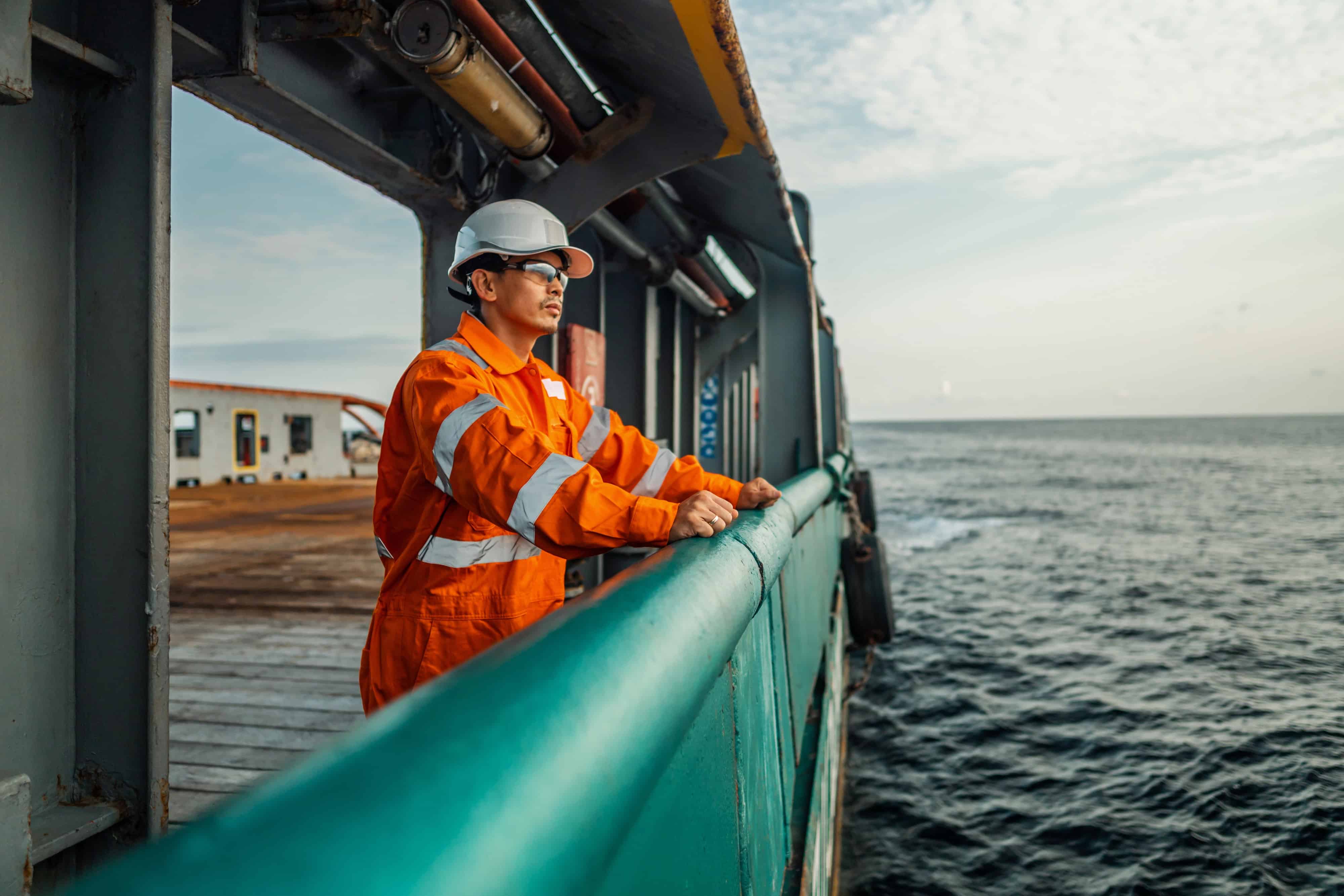
Maritime operations present some of the hardest conditions for resilience. Seafarers work in physically demanding, geographically isolated environments for long periods, often with limited support services and real barriers to contact with family. These conditions produce predictable patterns of psychological strain that erode the adaptive capacity of a crew if left unaddressed. Extended deployments raise the risk of fatigue accumulation, social disconnection, and mood disturbance, all of which affect judgement, communication, and coordination. When a critical situation arises at sea, the quality of decision-making in the first minutes depends heavily on the baseline wellbeing state of the people involved. Maritime wellbeing programme for seafarer mental health builds resilience into the crew before deployment rather than responding to breakdown during it.
Mining: environmental stressors and team resilience
Fly-in fly-out and drive-in drive-out workforces face a distinct set of challenges. The rotation model creates repeated cycles of disruption to sleep, social connection, and family life, generating chronic background stress that compounds over time. In underground or remote surface environments with high physical demand and significant hazard exposure, that background stress becomes a direct operational risk. Research on FIFO populations consistently reports elevated psychological distress, relationship breakdown, and substance use compared with general workforce populations. Those factors affect cohesion, communication, and the willingness to raise a safety concern. Evidence-based FIFO workforce mental health strategies that match the structure and stressors of the rotation model outperform generic programmes in this context.
Oil and gas: complex systems and human performance
Oil and gas combines high-consequence decisions with complex, interconnected technical systems and real time pressure. The cognitive demands on personnel across offshore platforms, refineries, and pipeline operations are substantial, and errors cascade quickly. The ability to think clearly, communicate accurately, and coordinate under pressure is a direct determinant of resilience. The hidden workforce mental health crisis in oil and gas is a growing concern for HR and operations leaders. Chronic stress, shift fatigue, and the cultural stigma around mental health in traditionally masculine operational environments suppress help-seeking and keep psychological risk out of sight until it shows up as a performance failure or an incident. Addressing it takes both cultural change and structural wellbeing support embedded in the operating model.
Psychological hazards as threats to operational resilience
Psychological hazards are workplace conditions that cause psychological harm. In high-risk industries they include excessive workload, poor role clarity, interpersonal conflict, lack of control, and the cumulative weight of trauma exposure. Left unmanaged, they do not only affect individual workers. They erode the collective adaptive capacity of the team and the system. A workforce under high psychological load is slower to detect anomalies, less likely to voice a concern, and less able to coordinate in an emergency. That is the exact opposite of what resilience requires.
Psychological hazards across high-risk industries, including how they present differently in oil and gas, mining, and maritime, is an important step in building targeted strategies. ISO 45003 provides a globally recognised framework for managing psychological health and safety at work. Treating ISO 45003 as a resilience strategy rather than a compliance exercise gives organisations a structured way to identify, assess, and control psychological hazards, and to build the psychologically safe conditions in which resilient performance can take root.
Digital tools and data-driven resilience
Technology is changing how organisations monitor workforce state. Real-time wellbeing data platforms make it possible to track fatigue, stress, and engagement across dispersed, remote, and rotating teams, giving visibility that used to disappear between formal check-ins. Integrated with operational systems, that data supports a genuinely predictive approach: rather than waiting for performance to degrade, an organisation can spot the patterns in wellbeing data that tend to precede operational problems and intervene early. That might mean adjusting shift schedules against cumulative fatigue data, directing support to crews showing elevated stress, or flagging team dynamics that are affecting communication.
The organisations leading here do not treat wellbeing data as a separate HR reporting stream. They feed it into operational risk models, giving decision-makers a fuller picture of system vulnerability and a more timely basis for acting on it.
Leadership's role in resilient, wellbeing-centred operations
Resilience does not come from programmes alone. It is shaped by leadership behaviour and the culture that behaviour creates. When operations leaders visibly connect wellbeing to performance, treat workforce health as a serious operational metric, and model the behaviours they expect, the organisation responds differently.
The shift often starts with measurement. When leaders track wellbeing data alongside production and safety, their conversations change. They ask different questions, make different decisions, and send a different signal to their teams about what matters. Building a culture where wellbeing is treated as operational infrastructure takes consistency: including it in pre-job planning, operational reviews, and incident investigations; treating psychological harm as seriously as physical harm; and holding leaders at every level accountable for the workforce conditions that either enable or undermine resilient performance.
What resilience gains look like in practice
The pattern across organisations that treat wellbeing as an operational priority rather than a support function is consistent. Improvements show up across several performance dimensions at once. The examples below are illustrative composites drawn from work across the sector; they are not attributed to a single named operator, but they reflect the direction and scale of change that structured programmes produce.
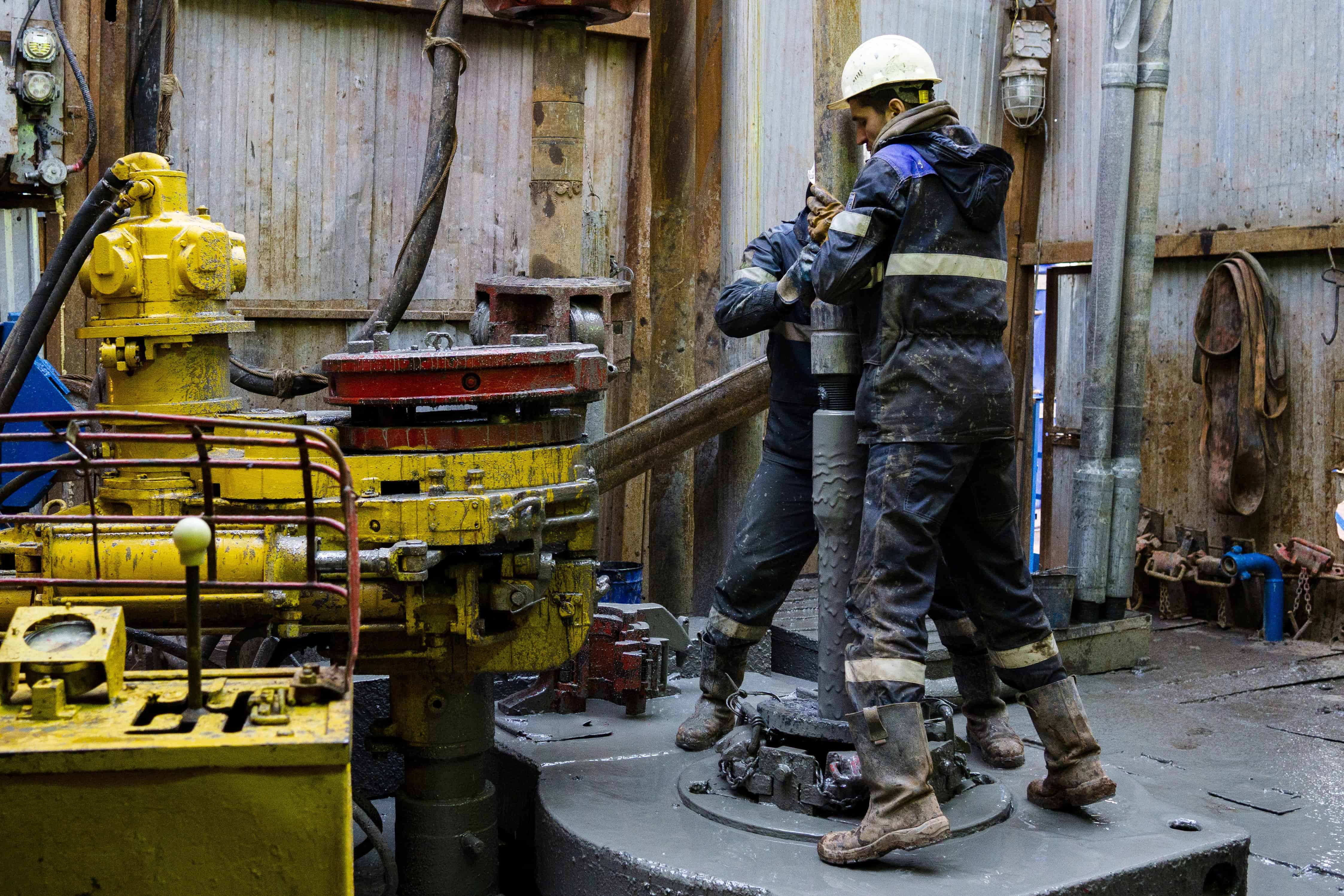
An offshore energy operator that links a structured fatigue risk management programme to wellbeing monitoring typically sees near-miss frequency fall and shift handover quality improve over the first twelve to eighteen months. A mining company that redesigns its FIFO support model around the specific stressors of rotation-based work tends to see absenteeism drop and supervisor-reported team cohesion rise within a year. In maritime, vessel operators that introduce proactive crew wellbeing programmes, remote psychological support, structured check-ins, and fatigue monitoring, report faster critical-incident response and quicker post-incident recovery, both markers of resilience at the system level. The principle underneath is simple. When people function better, systems function better. The connection is direct, measurable, and commercially significant.
Building your resilience strategy: where to start
Any resilience strategy grounded in wellbeing and human factors starts with an honest assessment of current gaps. That means looking past incident statistics to the conditions the workforce is actually operating under: fatigue levels, psychological hazard exposure, team dynamics, and whether people feel safe to raise a concern.
From that baseline, interventions can be prioritised by operational risk profile and workforce need. A remote maritime crew faces different pressures from a refinery control room or an underground mining shift. The strategy has to match the environment, the work pattern, and the stressors that most affect adaptive capacity in that context.
How we help organisations build science-backed resilience programmes grounded in human factors and designed for the realities of high-risk operational environments. The goal is not a better wellbeing programme. It is a workforce and a system that can absorb pressure, hold performance, and recover quickly when it matters most.
The final step is accountability. When wellbeing outcomes are tracked alongside production efficiency, incident frequency, and asset availability, they enter the operational conversation. At that point organisations stop treating wellbeing as a cost to manage and start treating it as the performance advantage it is.
Frequently asked questions
What is the difference between operational resilience and traditional safety management?
Traditional safety management focuses on preventing specific incidents through compliance, procedures, and reactive investigation. Operational resilience is broader. It builds the capacity of people and systems to adapt, absorb pressure, and keep performing when conditions change unexpectedly. Resilience includes safety and goes further, covering decision quality under stress, recovery speed, and the ability to function well in situations that were not fully anticipated.
How does workplace wellbeing affect an organisation's ability to respond to disruption?
Wellbeing determines the cognitive and psychological resources people bring to work. When workers are fatigued, strained, or isolated, their situational awareness, decision quality, and communication all suffer, and those are the exact capabilities a disruption demands most. Organisations with higher workforce wellbeing consistently respond faster and more effectively, because their people have the capacity to perform under pressure.
Can you measure the ROI of wellbeing programmes in resilience terms?
Yes. The approach maps leading indicators such as fatigue risk scores, psychological distress levels, and engagement against operational outcomes including near-miss frequency, unplanned downtime, and incident response times. Tracked over time, these data sets reveal the relationship between workforce state and operational performance. Independent research supports the direction of travel: a WHO-led study found a return of about US$4 for every US$1 invested in treating depression and anxiety, and Deloitte's UK analysis reports roughly £4 back for every £1 spent on workplace mental health support.
Which wellbeing-related vulnerabilities most often undermine resilience?
The common ones are chronic fatigue from shift patterns or extended deployments, unmanaged psychological hazards such as high workload or poor team relationships, a lack of psychological safety that suppresses early-warning communication, and the accumulated stress of geographic isolation or family separation. Each reduces the adaptive capacity of individuals and teams, and each becomes visible during periods of operational pressure.
How do human factors and wellbeing work together?
Human factors provides the framework for understanding how individual capabilities, including those shaped by wellbeing, interact with operational systems, tools, and environments. Wellbeing determines the quality of the human input into those systems. Together they create a lens for finding where the human side of a system is at risk and what changes, to work design, support structures, or operating conditions, will improve both performance and resilience.
Which industries benefit most from integrating wellbeing into resilience strategy?
Any industry where human performance directly affects safety and system reliability. The clearest cases are maritime, mining, oil and gas, energy, aviation, and emergency services. These sectors share high-consequence decisions, physically demanding environments, shift-based or remote work, and low tolerance for performance degradation. In all of them, the link between workforce wellbeing and operational resilience is direct and measurable.
What role does leadership play?
Leadership is the single biggest factor in whether wellbeing actually influences operational performance. Leaders set the tone for whether wellbeing is taken seriously or treated as a checkbox. When operations leaders build wellbeing into their performance conversations, model healthy behaviours, and hold their organisation accountable for workforce conditions, culture shifts in ways no programme can achieve alone. Leadership is the mechanism through which wellbeing becomes embedded in operational practice rather than sitting alongside it.